You try to grab a cup off a high shelf, but your shoulder pain prevents you from lifting your arm overhead. You need to tie your shoes, but stiffness in your knees makes it impossible to crouch down. When you wake up in the morning, you struggle to straighten up your spine, and getting dressed becomes an enormous challenge. Sound familiar? All of these situations illustrate what happens when your range of motion becomes restricted.
People often visit the team at Peak Orthopedic Physical Therapy because they’re struggling with joint pain. Less common is for them to mention their restricted mobility, even though that restriction can contribute to their pain and negatively impact their quality of life. In fact, one of the first things we do when treating injuries or other painful conditions is work to improve their range of motion.
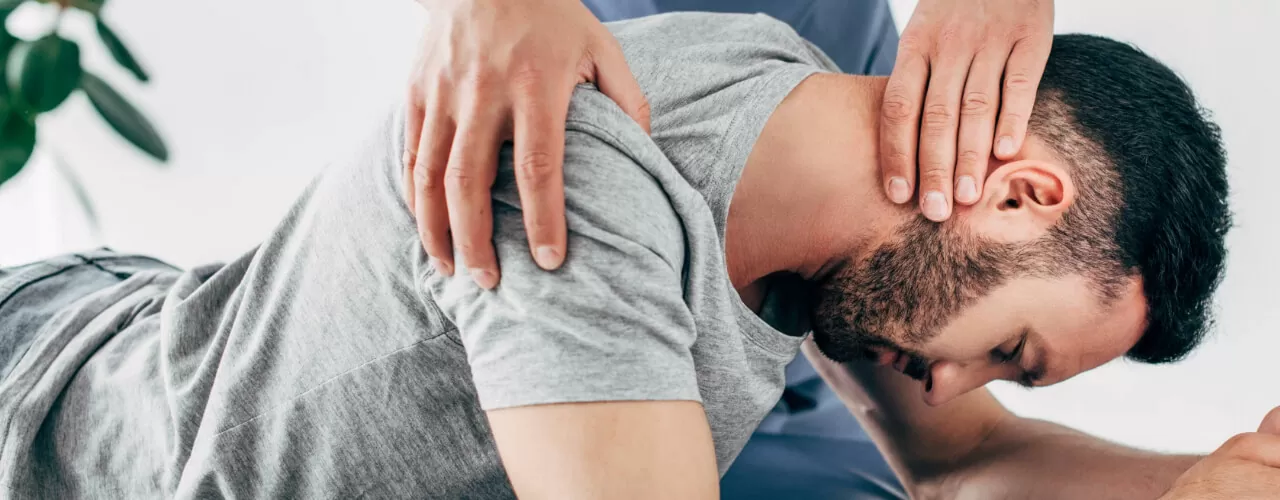
How do we do that? One of the biggest tools in our arsenal is manual therapy, a selection of touch-based techniques that loosen tight muscles, reduce stiffness, and increase blood flow to affected areas. By targeting specific problem spots, manual therapy plays an essential role in helping you feel–and move–better.
Today, we want to explore some of our favorite manual therapy techniques and really examine how they can boost your mobility. And if you’d like to experience the benefits of manual therapy firsthand, schedule an appointment at our Redondo Beach clinic today!
Five Manual Therapy Techniques That Improve Range of Motion
Soft Tissue Manipulation
- This massage-like technique involves applying pressure to the muscles, tendons, and ligaments to break down scar tissue and adhesions, which can restrict movement and cause pain. Soft tissue manipulation can also relax tight muscles, improve range of motion, and reduce pain and inflammation.
Joint Mobilization
- During a joint mobilization, one of our therapists carefully guides the joints through their current range of motion, gradually improving their mobility and reducing stiffness. This is particularly beneficial for restoring normal movement patterns and reducing joint pain.
Myofascial Release
- This technique targets the fascia, the connective tissue surrounding muscles. Restrictions in this tissue can also restrict your mobility. We’ll use slow, sustained pressure to stretch and loosen the fascia, helping to release tension, reduce pain, and improve overall movement.
Trigger Point Therapy
- Trigger points are small, tender knots in your myofascia that can cause localized and referred pain. Applying pressure to these specific points helps loosen them up, helping improve muscle function, enhance range of motion, and prevent further muscle tightness.
Muscle Energy Techniques (MET)
- MET is a manual therapy technique that requires your active participation. During MET, you actively contract your muscles while the therapist applies counterforce, helping to relax the muscles. MET effectively treats muscle imbalances and joint dysfunctions, making it easier to move without discomfort.
Manual Therapy: Part of A Comprehensive Approach to Improving Range of Motion
At Peak Orthopedic Physical Therapy, we integrate manual therapy into comprehensive treatment plans designed to enhance overall mobility. Manual therapy plays a key role by directly addressing tight muscles and stiff joints, helping to reduce pain and prepare your body for additional treatment techniques.
These techniques often include therapeutic exercises to reduce pain, improve mobility, and restore balance and function. We’ll provide personalized guidance on what you can do to prevent future injuries or avoid pain flare-ups.
Improve Your Range of Motion; Improve Your Symptoms
Addressing range of motion restrictions is often the first step in a comprehensive treatment plan that addresses your pain and discomfort at its root rather than merely masking the symptoms. By improving your movement and mobility, you can more effectively manage your pain and return to the activities you love.
Ready to start your journey to improved mobility? Contact our Redondo Beach clinic today to learn how our comprehensive treatment programs can benefit you.