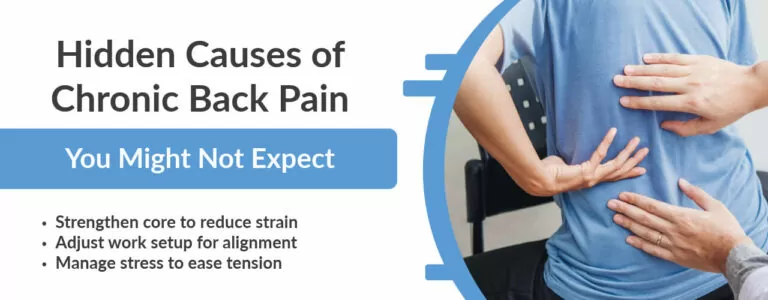
When pain lasts for weeks or months, even the smallest tasks can become frustrating or overwhelming. For many patients, the key to improvement lies not in a major overhaul but in a consistent, focused effort. This was the case for Julie (not her real name), a 52-year-old teacher who struggled with persistent joint and muscle discomfort. Her story highlights how chronic pain lifestyle changes, combined with physical therapy can lead to long-term improvement and greater independence.
At Peak Orthopedic Physical Therapy, Julie found the guidance and support she needed to take control of her pain and regain her quality of life.
Before: Pain That Disrupted Everything
Julie had dealt with daily pain for more than two years. What began as mild lower back tension slowly spread to her neck, shoulders, and hips. She had difficulty sitting through meetings, standing at the whiteboard, and sleeping through the night. Her fatigue increased as her mobility decreased, and daily routines became harder to manage.
Her symptoms included:
- Aching pain in the lower back and hips
- Frequent tension headaches
- Neck stiffness and shoulder tightness
- Poor sleep quality and morning fatigue
- Difficulty with prolonged sitting and standing
Julie had tried pain relievers, massage, and stretching videos online, but nothing led to lasting change. She was frustrated and beginning to accept her pain as part of aging.
Assessment and Treatment: A Focused, Personalized Plan
During her initial evaluation at Peak Orthopedic Physical Therapy, Julie underwent a full-body movement screen and postural analysis. Her therapist noted reduced core strength, tight hip flexors, and limited mobility in her thoracic spine. There were also signs of a muscle imbalance between her left and right sides, which was likely contributing to her discomfort.
The treatment plan included:
- Manual therapy to reduce muscle tightness and restore joint mobility
- Postural training to support healthier sitting and standing alignment
- Core and glute strengthening to provide stability and reduce strain on the spine
- Mobility work for the mid-back and hips to improve overall movement
- Patient education on chronic pain lifestyle changes, such as sleep habits, hydration, daily movement, and workstation setup
Julie also received a simple home program that fit her daily schedule. The exercises required no equipment and took less than 20 minutes per day.
Chronic Pain Lifestyle Changes: The Turning Point
Julie’s breakthrough did not come from one big fix. It came from a series of small, sustainable changes she made with the help of her therapist. These changes included:
1. Regular movement breaks during work
She set a timer to stand and walk every 45 minutes. This reduced the muscle stiffness she felt during long days at her desk.
2. Optimizing her sleep environment
Her therapist recommended a better pillow and a side-sleeping position with a pillow between her knees. She began falling asleep faster and waking with less discomfort.
3. Simple daily mobility exercises
Julie committed to a five-minute stretching routine in the morning and evening. These brief sessions helped loosen her back and reduce the tightness in her hips.
4. Improved hydration and meal timing
Though not a direct treatment, her therapist helped her recognize that dehydration and skipped meals were increasing her muscle fatigue. Drinking more water and eating at regular intervals improved her energy levels.
With consistent effort, Julie started to feel noticeable changes in her symptoms and overall mood.
After: Greater Comfort, More Confidence
After weeks of care, Julie reported significant improvements. Her pain was no longer constant, and her energy had returned. She felt empowered to manage her condition and continue her progress independently.
Measurable outcomes included:
- Significant reduction in reported daily pain
- Improved posture and spinal alignment
- Full return to teaching without discomfort
- Fewer headaches and less neck stiffness
- Better sleep and increased morning energy
Most importantly, Julie regained confidence in her ability to move and manage her condition without relying on medication.
Small Changes, Big Results with Peak Orthopedic Physical Therapy
Julie’s case is a powerful reminder that chronic pain lifestyle changes do not have to be extreme to be effective. With expert guidance, simple adjustments to movement, posture, and daily habits can reduce pain and restore function.
At Peak Orthopedic Physical Therapy, we take time to understand your unique challenges and design care plans that fit your life. If you are dealing with chronic pain, fatigue, or movement limitations, our team is ready to help.
Contact Peak Orthopedic Physical Therapy today to schedule your evaluation. Let us help you make the small changes that lead to lasting relief.