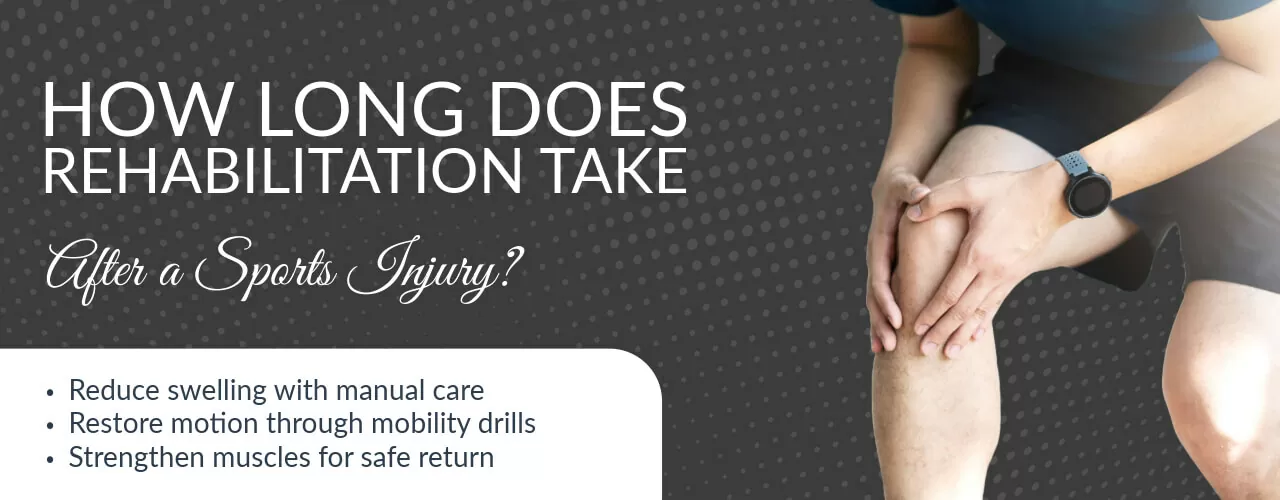
Recovering from a sports injury can feel overwhelming, especially when you’re eager to return to the activities you love. Understanding the typical timeline and what to expect at each stage of recovery can help ease your concerns. Whether you’re a serious athlete or a recreational player, sports rehabilitation with Peak Orthopedic Physical Therapy plays a critical role in restoring strength, mobility, and function after an injury
The Sports Injury Rehabilitation Timeline: Five Steps to Get Back in the Game
Phase 1: Initial Recovery
The first stage of rehabilitation focuses on rest, protection, and early healing. It usually lasts a few days to two weeks, depending on the severity of your injury. The primary goals are to reduce inflammation, manage pain, and protect the injured area.
During this phase, we’ll also assess your baseline mobility and design a customized treatment plan to guide you through the rest of your recovery.
What You Can Expect
- Swelling, bruising, or limited movement
- Use of braces, compression wraps, or crutches as needed
- Early, guided movement that avoids aggravating activities
Phase 1 Physical Therapy Techniques
- Manual therapy to reduce pain, swelling, and inflammation
- Light range-of-motion exercises to promote early mobility
- Taping or supportive bracing to protect the injured area
Phase 2: Restoring Movement
Phase 2 consists of a gentle reintroduction of movement. Typically lasting 2 to 6 weeks after the injury, this stage focuses on restoring normal movement patterns while protecting the healing tissues. We’ll closely monitor your progress to make sure you stay safe.
What You Can Expect
- A slow restoration of mobility and range of motion
- Exercises to prevent muscle stiffness and joint restrictions and facilitate your body’s healing processes
Phase 2 Physical Therapy Techniques
- More advanced modalities, such as ultrasound therapy, to promote tissue healing
- Assisted and active range-of-motion exercises, stretches, and mobility drills
Phase 3: Building Strength
Between weeks 4 and 12 (depending on injury type), we’ll shift our focus to building muscular strength and endurance. This phase is essential for long-term recovery and preventing re-injury, and we’ll regularly adjust your plan as you gain strength and tolerance for increased activity.
What You Can Expect
- A focus on building stronger muscles to reduce strain on joints and ligaments
- Improved neuromuscular control, which supports safer movement patterns
- A strong foundation for sport-specific training in the next phase
Phase 3 Physical Therapy Techniques
- Resistance band exercises
- Isometric and isotonic strengthening
- Core stabilization work
- Balance and proprioception drills
Phase 4: Functional Training
This phase, which can begin as early as week 8 and continue for several months, prepares you to return to your sport or activity. Our goal is to build up your performance with personalized, targeted exercises. We carefully choose every activity to replicate real-life demands while avoiding overload.
What You Can Expect
- Activities to restore coordination, speed, and reaction time
- Enhancing your movement patterns to build confidence as you get back in the game
- Working to reduce the risk of reinjury through controlled progression
Phase 4 Physical Therapy Techniques
- Agility and plyometric drills
- Simulated sports movements
- Functional strength training
- Cardiovascular conditioning
Phase 5: Maintenance and Prevention
Once you’ve returned to play, the final step is maintaining your progress. This involves a combination of independent exercises and occasional check-ins with your physical therapist. To ensure long-term success.
Incorporating sports rehabilitation principles even after recovery helps you stay active, strong, and confident in your performance.
Example Maintenance Strategies
- Home exercise programs
- Periodic mobility and strength assessments
- Education on proper warm-up and cooldown routines
Let’s Get You Back To Play
Rehabilitation after a sports injury isn’t a one-size-fits-all process. Timelines can vary based on the type of injury, your individual response to therapy, and your goals. However, guided care through every phase ensures a safe and effective return to activity.
If you’re dealing with a recent injury or ongoing pain, don’t wait. Contact Peak Orthopedic Physical Therapy today to schedule an appointment and begin your personalized sports rehabilitation journey.