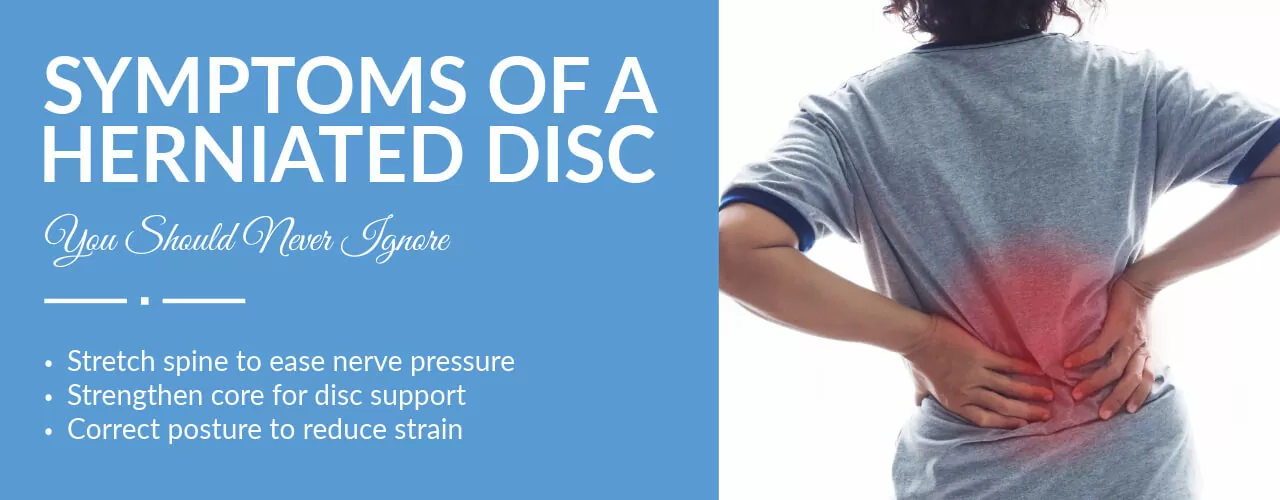
If you’ve been dealing with unexplained back or neck pain, tingling in your limbs, or sudden weakness, it might be more than just passing discomfort: these are all herniated disc symptoms. Left untreated, they can affect your mobility, independence, and overall quality of life.
Fortunately, there are steps you can take to address a herniated disc, and the team at Peak Orthopedic Physical Therapy is here to guide you through them! However, understanding the early warning signs of a herniated disc is key to getting timely care.
Understanding Herniated Discs: What You Need to Know
Before diving into herniated disc symptoms, it’s important to understand the condition itself.
Your spine is made up of bones called vertebrae, separated by discs that act as cushions and shock absorbers. Each disc has a soft, gel-like center surrounded by a tougher outer layer. A herniated disc occurs when part of the inner core pushes out through a tear in the outer layer.
Several factors can cause this to happen, including:
- Age-related wear and tear (disc degeneration)
- Improperly lifting heavy objects
- Sudden pressure on the spine due to a fall or injury
- Repetitive motion or prolonged poor posture
Herniated discs can occur anywhere along the spine but are most common in the lower back (lumbar spine) and neck (cervical spine).
Recognize the Warning Signs: An In-Depth Guide to Herniated Disc Symptoms
Catching the signs of a herniated disc early can prevent serious complications. However, it’s important to know that the symptoms you experience can vary based on the location and severity of the disc herniation.
Here’s what to watch out for:
1. Persistent or Radiating Pain
Pain is often the first symptom of a herniated disc, but the location can vary
- If you have a lower back herniation, pain may radiate through your buttocks, thighs, and even into your feet (commonly known as sciatica).
- If you have a neck herniation, pain might spread into your shoulders, arms, and hands.
In either case, the pain can worsen with movement, sneezing, or sitting for long periods.
2. Numbness or Tingling Sensations
When a herniated disc presses on spinal nerves, it can disrupt communication between your brain and limbs. As a result, you may experience nerve-related symptoms along the path of the affected nerve (typically your legs or arms):
- Pins-and-needles sensations
- Numbness
- A feeling of “dead weight”
3. Muscle Weakness or Coordination Issues
If your muscles suddenly feel weak or unresponsive, it could mean nerve compression is getting worse. These symptoms may signal nerve damage and require immediate attention:
- Difficulty lifting objects
- Trouble walking or maintaining balance
- Dropping items due to weak grip strength
How Physical Therapy Helps: Safe, Effective Relief Without Surgery
For most people, herniated disc symptoms improve with non-invasive treatments, and physical therapy is often the first line of defense. It offers several benefits, including:
- Pain reduction through guided stretching and manual therapy
- Improved mobility with targeted exercises to strengthen core and back muscles
- Posture training to correct body mechanics and reduce stress on the spine
- Education and support to prevent re-injury and manage symptoms at home
At Peak Orthopedic Physical Therapy, we personalize every treatment plan. Your physical therapist will evaluate your symptoms, mobility, and lifestyle to design a program that fits your goals.
Get the Relief You Deserve Today
Ignoring herniated disc symptoms can lead to long-term nerve damage and chronic pain. Early intervention can help you avoid surgery and get back to doing what you love.
Contact our Rancho Palos Verdes, CA, Redondo Beach, CA, or Torrance, CA clinic today to take the first step toward lasting relief. Your spine is central to your movement and quality of life, so let’s take care of it together.