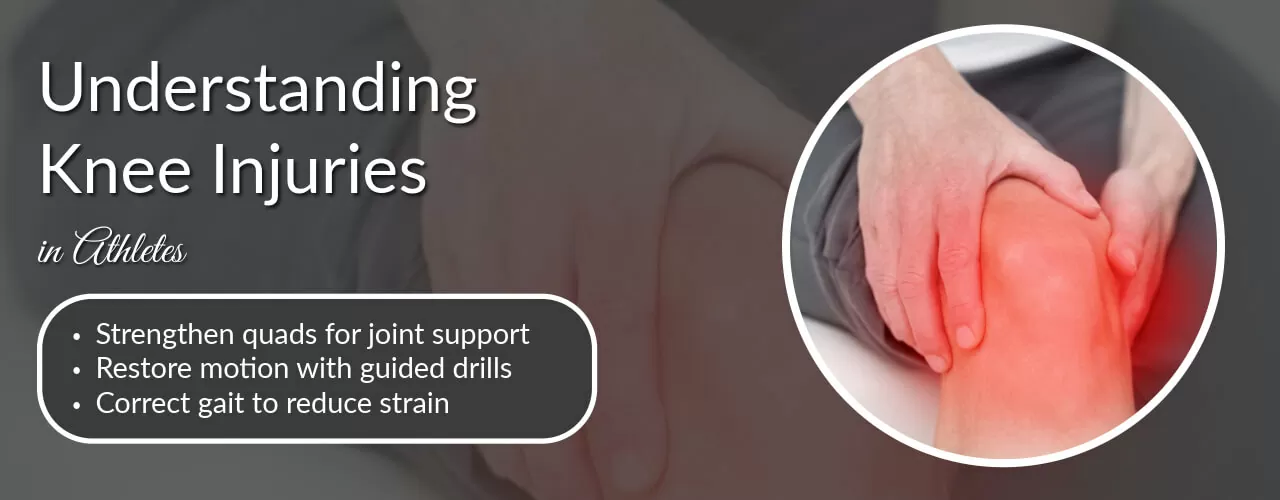
Whether it’s a sudden twist during a soccer match or a slow buildup of strain from running, knee injuries are one of the most common setbacks athletes face. Pain, swelling, or instability can interfere with training, competition, and even day-to-day movement. Many athletes try to manage these injuries on their own at first, but physical therapy offers important advantages when it comes to lasting recovery.
If you’re unsure whether to handle your injury at home or seek professional guidance, understanding the difference in outcomes, risks, and results can help you make a confident decision.
Quick Fix or Comprehensive Recovery? Comparing Approaches
Self-care often starts with rest, ice, compression, and elevation. Some athletes try to “walk it off” or give it a few days to improve before returning to activity. These methods may help with minor soreness or bruising, but they often fall short for more complex injuries like ligament sprains, patellar tracking problems, or cartilage damage.
Physical therapy takes a different approach. At Peak Orthopedic Physical Therapy, we start by identifying the root cause of the issue, whether it’s a movement imbalance, strength deficit, or joint dysfunction. From there, we build a progressive plan to restore movement, reduce inflammation, and prevent the injury from returning.
Unlike home care, therapy sessions involve:
- Manual techniques to improve joint mechanics
- Targeted exercises based on functional goals
- Real-time movement correction and feedback
- Patient education on return-to-sport strategies
This comprehensive care supports full recovery, not just symptom relief.
Knee Injuries That Often Require More Than Rest
Some knee injuries are simply too complex or risky to leave untreated. For example:
- ACL sprains or tears may not heal properly without strength training and neuromuscular control exercises.
- Meniscus injuries can worsen without addressing movement patterns or joint loading strategies.
- Tendon overuse problems, such as jumper’s knee, often require progressive loading and activity modification, not just rest.
- Recurring kneecap instability may stem from hip or foot mechanics that home care cannot address.
In these cases, continuing to train or play without guidance can lead to prolonged downtime, chronic instability, or secondary injuries.
The Physical Therapy Advantage: Real Athletes, Real Results
Let’s say a high school basketball player strains the medial collateral ligament (MCL) during practice. If she chooses to rest and ice alone, she might feel slightly better in a week or two. But when she returns to play, she still feels unstable and avoids pivoting hard off that leg. That hesitation alters her movement, leading to hip tightness and lower back pain within a month.
Now, imagine that same athlete comes to Peak Orthopedic Physical Therapy right after the injury. Her therapist evaluates how the injury affects her gait, strength, and coordination. They provide manual therapy to support healing, guide her through exercises that restore strength and control, and give her the confidence to move without hesitation. She returns to play with full function and less risk of reinjury.
This scenario plays out daily in our clinic. The personalized feedback and structured progressions of physical therapy can make the difference between short-term relief and long-term resilience.
What’s at Risk with the DIY Route?
Choosing not to seek care can seem like the easy option, but it often carries hidden risks:
- Incomplete healing can leave the joint vulnerable to future injury
- Overcompensation can shift stress to other parts of the body
- Poor movement habits may go unnoticed and become long-term issues
- Delayed recovery increases frustration and can lower performance confidence
These are preventable outcomes. Getting the right help early saves time, reduces pain, and improves athletic performance.
The Clear Choice for Lasting Recovery
At Peak Orthopedic Physical Therapy, our physical therapists understand what it takes to recover from knee injuries and return to sport safely. Whether you’re dealing with a new injury or persistent pain, we offer personalized care built around your goals, sport, and lifestyle. Our treatment plans address both symptoms and root causes so you can get back to doing what you love with strength and confidence.
Don’t leave your recovery up to chance. Contact Peak Orthopedic Physical Therapy today and take the first step toward lasting results with a plan that’s built for you.