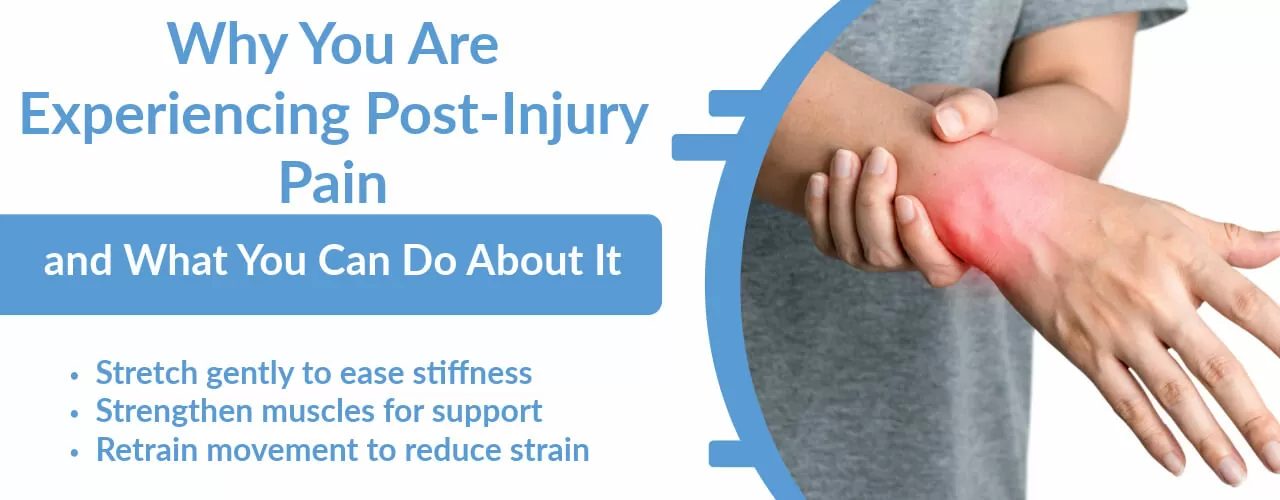
If you’re still dealing with discomfort weeks or even months after an injury, don’t worry: you’re not imagining it. Post-injury pain can linger far beyond the initial trauma, and understanding why it happens is the first step toward lasting relief. Whether you’ve twisted an ankle, strained your back, or torn a muscle, lingering pain can affect your daily life and prevent you from doing what you love. Fortunately, the team at Peak Orthopedic Physical Therapy is here to help you find relief.
Understanding the Root of Post-Injury Pain
It’s normal to experience pain when you suffer a musculoskeletal injury such as a sprain, strain, or fracture. There are several reasons why this happens, including:
- Inflammation in soft tissue
- Nerve sensitivity
- Muscle imbalances caused by compensating movements
- Reduced mobility or stiffness from disuse
- Psychological factors, including fear of movement
Your body’s natural healing response is complex. Even when the tissue appears healed, pain can persist if movement patterns have changed or if the nervous system remains sensitized.
The Two Types of Pain
It’s important to understand that not all pain after an injury is the same. There are actually two types of pain, and understanding which one you’re dealing with is important for uncovering the right treatment techniques.
Acute Pain: A Normal Part of Healing
Acute pain is directly linked to tissue damage. It serves a protective role, signaling something is wrong and giving your body time to heal. Examples include:
- Swelling and tenderness after a sprain
- Sharp pain during movement in the early healing phase
- Bruising or soreness around an injury site
It lasts the duration of the injury, typically under three months.
Chronic Pain: When the Pain Doesn’t Go Away
Sometimes, however, pain lingers even after your injury has healed. When post-injury pain lasts longer than three months, it’s considered chronic pain, which involves:
- Ongoing discomfort without clear physical damage
- Hypersensitive nerves
- Pain flare-ups triggered by minor activity
It’s not always clear why chronic pain develops. However, some researchers believe it stems from disrupted pain pathways in the nervous system, leading your body to “remember” the injury even after it has physically healed.
Physical Therapy’s Role in Relieving Acute Post-Injury Pain
Pain may be a normal part of the healing process, but that doesn’t mean you have to suffer through it. Physical therapy offers several drug-free options for managing acute pain after an injury, making it easier for you to begin your rehabilitation. Through techniques like manual therapy, targeted stretches, and advanced treatment modalities, we can help:
- Improve circulation to injured tissues for faster healing
- Reduce inflammation
- Restoring a safe range of motion without aggravating the injury
- Educating you on protective movement strategies
Furthermore, physical therapy rehabilitation can help you avoid long-term chronic pain complications. We’ll help you restore strength, mobility, and function to the damaged area and ensure it heals properly.
Physical Therapy’s Role in Managing Chronic Post-Injury Pain
Chronic pain is much trickier to manage, but that just means physical therapy is even more essential. When pain lingers, physical therapy focuses on retraining the body and nervous system to reduce pain and restore function. Some of the interventions we might suggest include:
- Manual therapy to relieve soft tissue tension and joint restrictions
- Neuromuscular re-education to correct movement patterns
- Graded exercise to build strength and tolerance slowly
- Patient education to reduce fear and promote confident movement
Take Control of Your Recovery Today
Post-injury pain doesn’t have to be your new normal. Whether your discomfort is recent or has been lingering for months, physical therapy offers proven strategies to help you heal, move better, and live pain-free.
Ready to take the next step? Contact Peak Orthopedic Physical Therapy today to schedule your comprehensive evaluation. Our experienced team is here to guide you through your recovery with personalized care backed by the latest research.