Five Simple Tips for Improving Your Balance
Avoid Falls and Stay on Your Feet–With a Little Help from Physical Therapy
Are you worried about falling and injuring yourself? Does limited mobility due to arthritis or another condition make you feel shaky? Balance challenges can certainly be difficult, but you do have options for improving your overall balance and stability!
One of the things we do at Peak Orthopedic Physical Therapy is helping people work on the spatial awareness and muscular strength crucial in addressing balance challenges. This is especially true for people with a high risk of falling, where improved balance could save you a trip to the hospital. Want to learn more about the importance of good balance? Call to schedule an appointment today.
Why Should I Work on My Balance At All?
The older you get, the more important good balance becomes. Falls are one of the biggest threats to adults 65 years or older, causing millions of hospitalizations and emergency room visits every year.
While several factors contribute to this high fall risk–including age-related sensory and physical changes–you can do things to lessen your risk, and it’s never too early to get started! If you start working to improve your balance now, you’ll be in a better place as you age.
That said, there are other benefits to improving balance for younger people. A good sense of balance has a radiating effect on your overall fitness, helping to improve your posture and overall movement. You’ll be better able to catch yourself if you stumble or trip, and you might notice improvements in other physical activities, like running or playing sports.
Patient Success
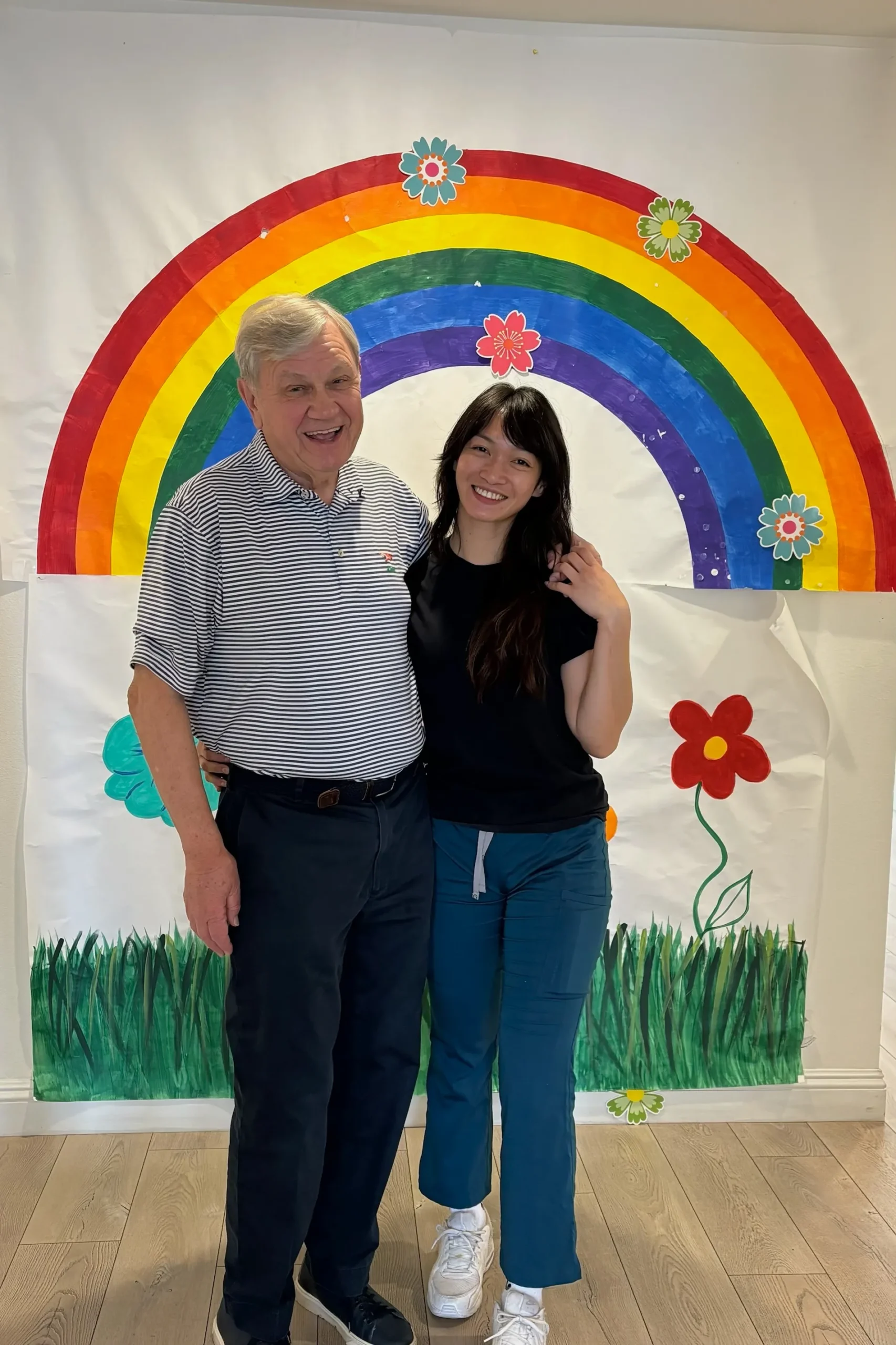
“Cynth has been my primary provider of physical therapy services since I came to Peak Orthopedic in the fall of 2024 suffering from an acute case of sciatica. Earlier efforts to resolve my pain working through my primary care physician were abortive and it was not until I came to Peak Orthopedic that with the benefit of physical therapy my situation gradually improved. Happily, I am now free of pain and am successfully working towards regaining my strength and improving my mobility. I have found Cynth to be an absolute delight to work with. She has exceptional people skills, has the warmest of personalities and is kind and considerate. More importantly Cynth has shown herself to be a highly skilled physical therapist, and I have benefited greatly from her talents. I would recommend her unreservedly to anyone seeking physical therapy services.” – J.H.
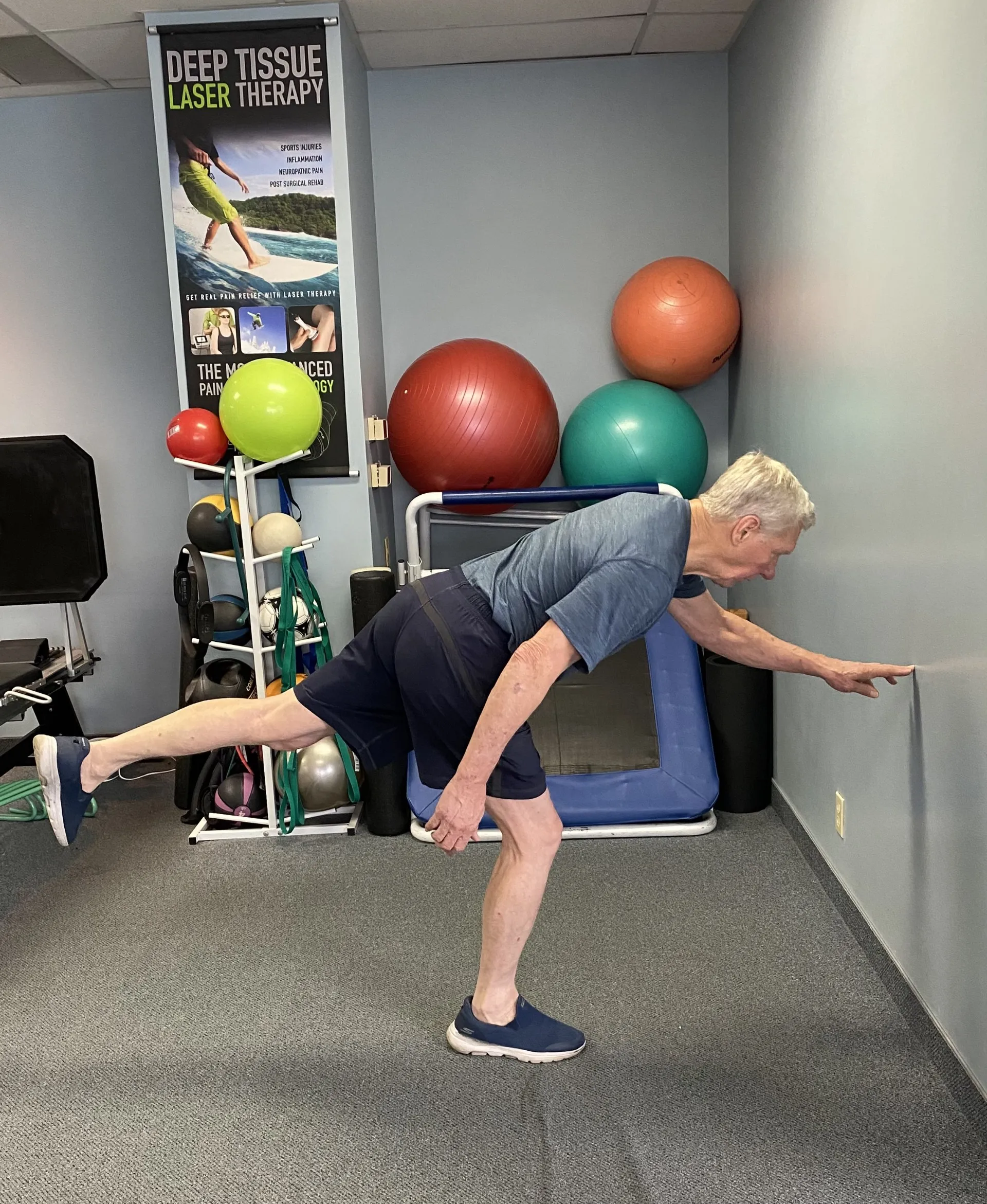
How Can I Improve My Balance? Five Suggestions from Our Physical Therapists
- Go for a Walk: Sometimes, the best solutions are the simplest. Walking helps build core and lower-body strength, two crucial components of good balance, and it’s safe and effective for most people. That said, if you’re struggling with balance, it’s important to speak to your physical therapist first–you might benefit from initial balance training or using a mobility aid during your walks.
- Restore Your Mobility: Stiff or arthritic joints can negatively impact your balance. Our physical therapists can teach you how to restore or improve your mobility and guide you on a safe routine you can perform at home that targets your individual needs.
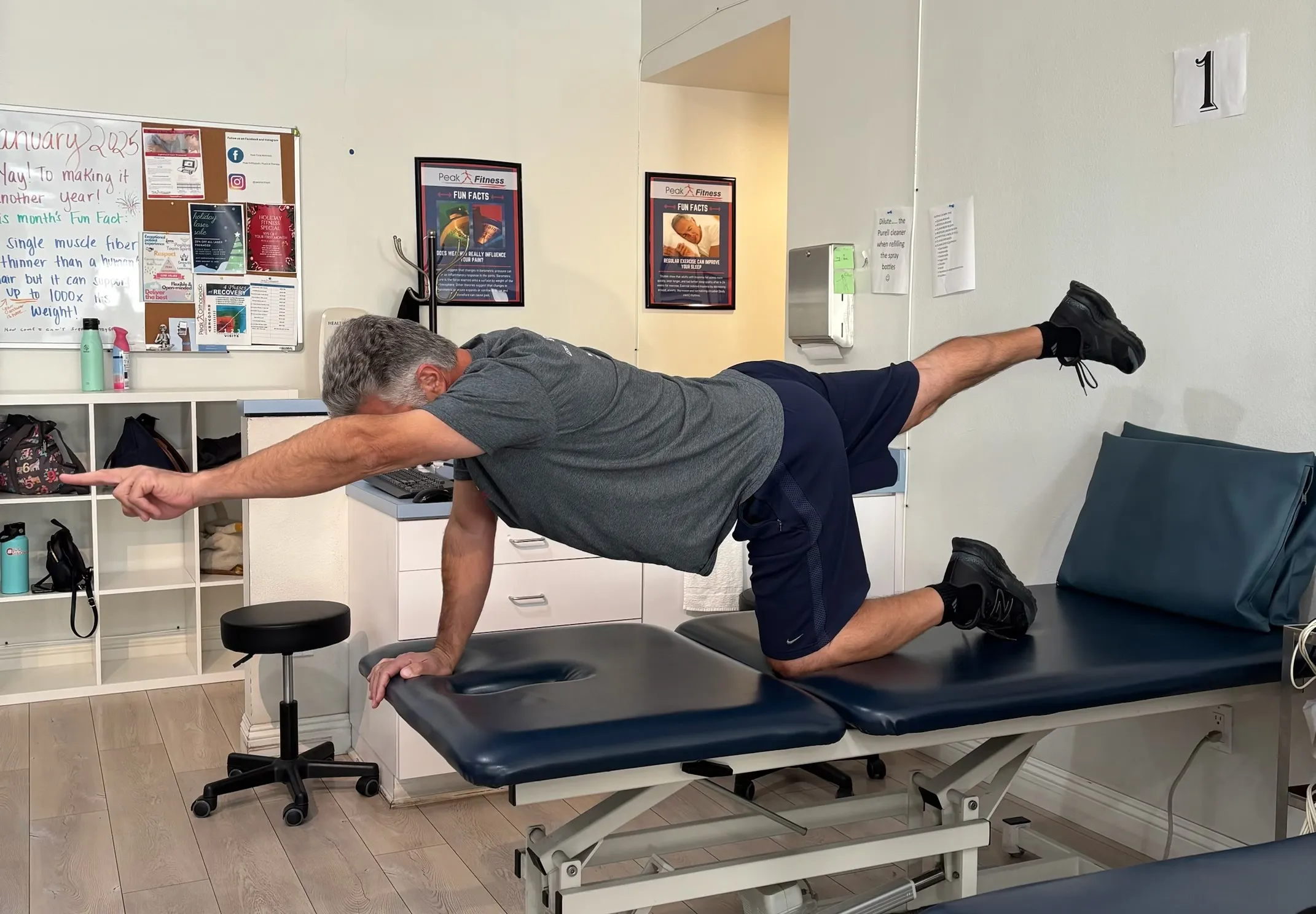
- Target Your Core: If you’re really struggling with balance and instability, it may be time to focus on dedicated core exercises. Your core refers to the muscles that wrap around your spine–your back, hip, glute, and ab muscles. They keep your spine stabilized, which in turn helps you keep your balance. Not sure where to start with core strengthening? Our physical therapists can show you which exercises will work best for you.
- Challenge Your Balance: As with any other aspect of fitness, spending time on dedicated balance training can help you see results. Your goal is to find exercises that challenge your sense of balance without putting you at risk of falling–again, this is something our PTs can help with.
- Assess Your Balance: If you want to get serious about improving your balance, schedule an appointment at Peak Orthopedic Physical Therapy to have your balance assessed by one of our experts. We’ll run several balance screens to help us pinpoint the exact reason for your balance challenges–it may even be something you didn’t expect, such as inner ear issues. With a balance assessment, we can help you target your treatment to suit your exact needs.
Speed Up Your Recovery With Our Additional Services
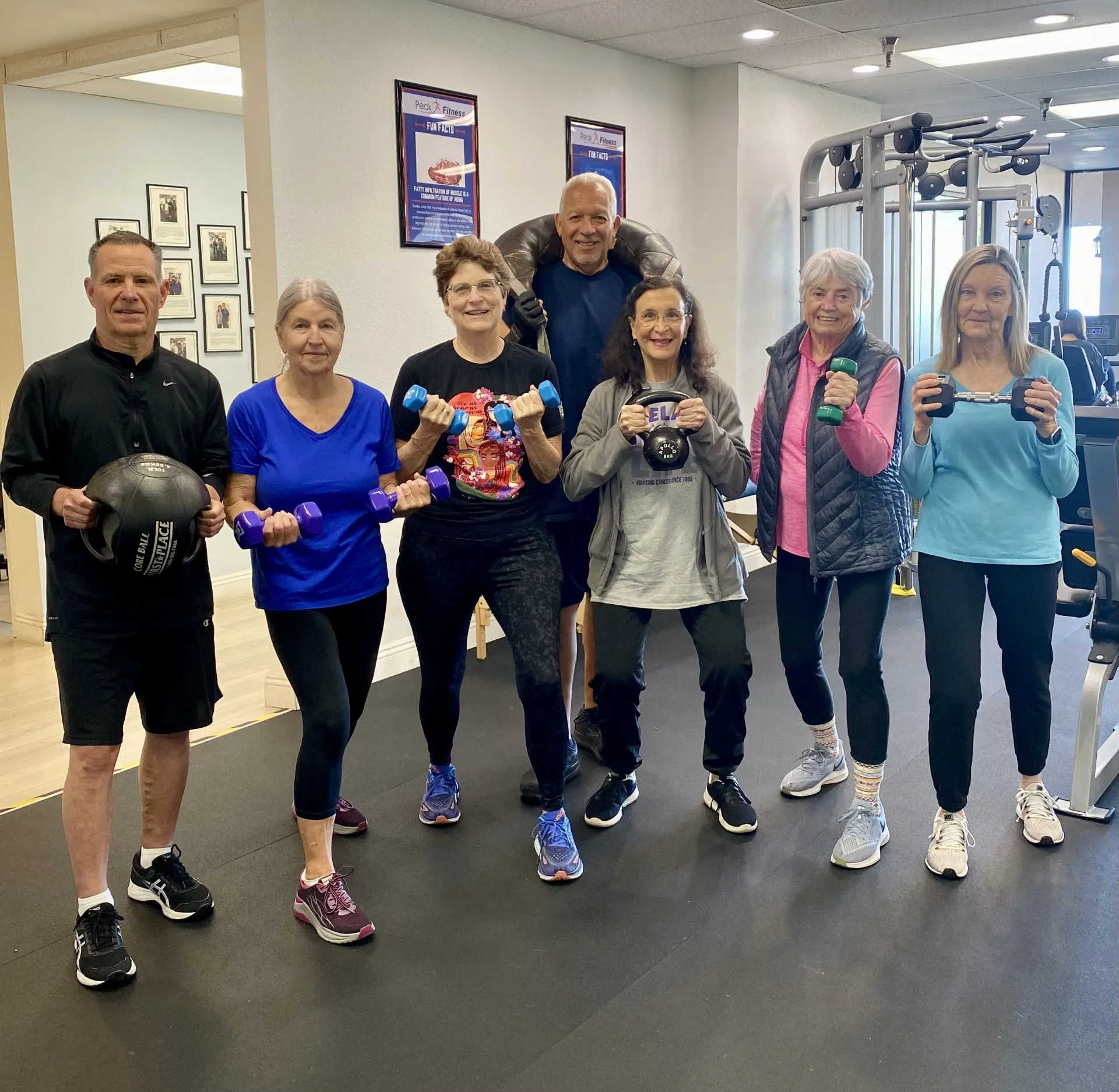
- Peak Fitness (gym membership that includes fitness assessment, custom workout program and supervision)
- Medical Massage (massage with special attention to medical conditions or injuries)
- Deep Tissue Laser Therapy (Lightforce Class IV Laser for reducing pain and speeding up healing)
- Pain Management and Home Exercise Products
Afraid You’ll Lose Your Footing? We’ve Got Your Back
The physical therapists at Peak Orthopedic Physical Therapy specialize in movement and exercise. If you visit us for a balance assessment, we can design a customized treatment program that addresses your needs and abilities. For example…
- Dealing with persistent pain that makes walking difficult? We can guide you through a drug-free pain management program.
- Find most core exercises impossible? You’re not alone. Although activities like core planks have significant benefits, many beginners need to build up to them. We’ll show you core exercises that you can actually perform.
- Not sure how to challenge your balance? We’ll guide you through a progress balance training program, measuring your progress and increasing intensity as you go.
Don’t miss out on the benefits of good balance. Call us to request your balance assessment today!
Join Peak Fitness
Begin your transformative journey towards optimal wellness with Peak Health and Fitness, our personalized exercise program designed to meet your specific goals. Whether it’s weight loss, strength-building, balance or improved cardiovascular health, our team is here for you every step of the way with a program that gets the results you are looking for!
Call our office or ask your physical therapist for more information. Memberships available in our Torrance and Rancho Palos Verdes locations.
Help! Planking is Too Hard for Me!
If you’ve ever looked into strengthening your core, you’ve likely heard of planking. This deceptively difficult exercise involves holding your body in a straight line like a plank of wood. The most common version involves supporting yourself on your forearms and your toes.
It looks easy, but in reality, planking requires a tremendous amount of core strength while requiring you to use proper form–not letting your hips sag or stick too high up in the air, for example. And sometimes, someone might try a plank for the first time, only to discover that it’s nearly impossible for them to hold the position for 6 seconds, much less 60!
If that sounds familiar, don’t despair. You can build your core strength through plank variations.
If Planking is Too Hard, Try These Variations Instead
- Tabletop Plank: Performing a plank correctly requires activating your core muscles. This exercise helps you learn what that feels like. Position yourself on your hands and knees, your gaze on the floor, and your spine neutral. Practice engaging your core muscles–but don’t hold your breath.
- Bear Plank: Once you’ve got the hang of a tabletop plank, try a bear plank. Start in the same position as a tabletop plank. Then, tuck your toes, engage your core, and lift your knees about an inch off the ground. Hold for as long as you can, take a break, and then repeat.
- Incline Plank: Rather than resting your forearms on the floor, you can try a plank in which you rest your forearms on a bench or step. Arrange your forearms or palms on a sturdy, flat, elevated surface, then walk your feet back until your body forms a straight, diagonal line. Brace your core and hold for as long as you can.
Want more tips on improving your core strength? Make an appointment with Peak Orthopedic today!


Recipe of the Month: Italian Chopped Salad
Ingredients:
- 1/4 cup extra-virgin olive oil
- 1 1/2 tablespoons lemon juice
- 1 tablespoons red wine vinegar
- 1/2 shallot, finely chopped
- 1 garlic clove, finely chopped
- 1 tablespoon dried oregano
- 1/2 teaspoon sea salt
- freshly ground black pepper
- 1 small head iceberg lettuce
- 1 head radicchio
- 1/2 small red onion, thinly sliced
- 1 pint cherry tomatoes, halved or quartered
- 1 can chickpeas, rinsed and drained
- 4 ounces fresh pearl mozzarella, drained
- 4 ounces provolone cheese, diced
- 5 pepperoncini, stemmed and sliced
- 1 teaspoon oregano, for garnish
- sea salt and freshly ground black pepper
Directions:
-
Make the dressing. In a small bowl, whisk together the olive oil, lemon juice, vinegar, shallot, garlic, oregano, salt, and pepper, and set aside.
-
Cut the iceberg lettuce in half through the core, then cut out the core. Slice the lettuce lengthwise into 1/4-inch strips. Repeat with the radicchio.
-
In a large bowl, combine the lettuce, radicchio, tomatoes, chickpeas, mozzarella, provolone, and pepperoncini. Drizzle with the dressing and toss gently to coat. Season with salt and pepper and toss again. Sprinkle with extra oregano, and serve.
Follow us on social media!
Stay connected and keep your health on track! Follow Peak Orthopedic Physical Therapy on social media for expert tips, updates, and more. Don’t miss out – join our community today!
Meet Our Team
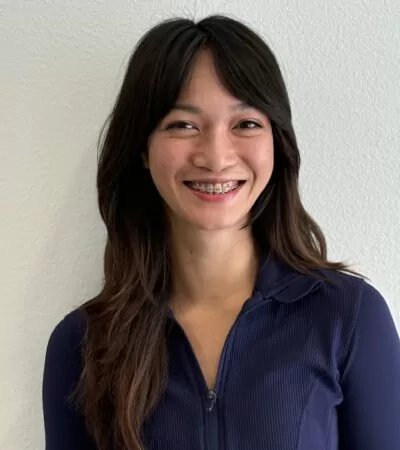

Amanda Sutton
Office Administrator