Is Your Posture Causing Your Pain?
Here’s What Your Hands and Arms Have to Do With It
Most people think of posture as something that starts and ends with the spine. Sit up straight. Pull your shoulders back. Done, right?
Not quite! It may sound surprising, but the way you use your arms, hands, and shoulders plays a major role in posture, and often, they can be a hidden source of pain. This is especially true if you spend a lot of time typing, texting, or reaching overhead.
Fortunately, correcting improper upper-body mechanics can play a big role in improving your posture, enhancing overall movement, and helping to manage pain. That’s where the occupational therapists at Peak Orthopedic Physical Therapy can help.
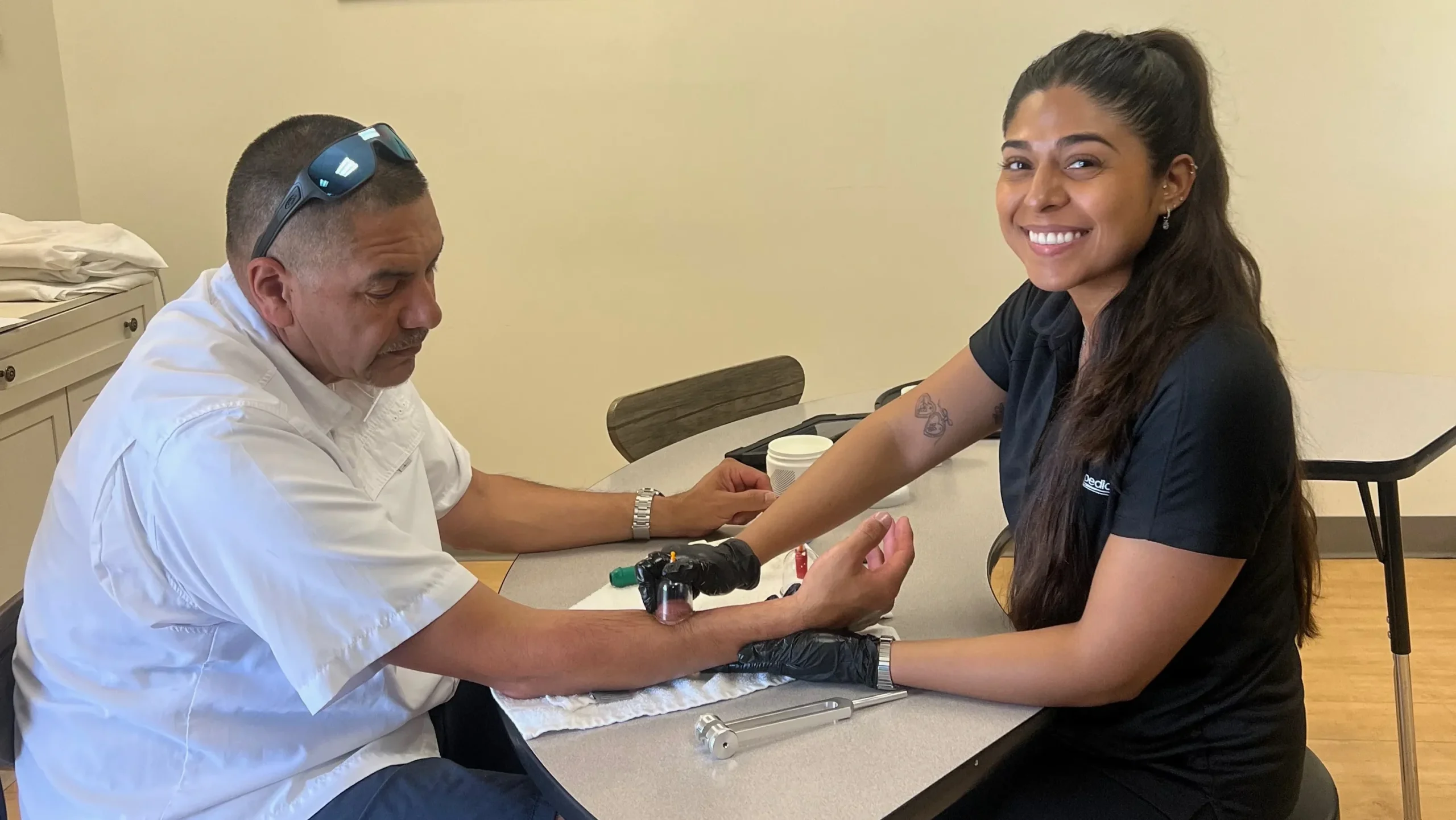
Why Posture Is More Than Standing Up Straight
Many people think of posture as a single position, but it actually refers to your body’s positioning as you move throughout your day, whether you’re sitting at a desk, standing over a stove, or taking a walk through your neighborhood.
We say someone has good posture when their joints are aligned in a way that reduces strain and allows them to move with ease. Poor posture, in contrast, often shows up as:
- Rounded shoulders
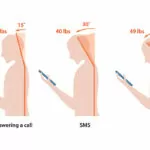
- Forward head position
- Wrist or elbow strain during daily tasks
- Fatigue with repetitive arm use
Over time, these patterns can lead to neck and shoulder pain or nerve compression issues, which can lead to numbness or tingling, such as carpal tunnel syndrome.
In short, sustained, inefficient positioning, including in your upper body, increases stress on soft tissues and joints. That stress builds gradually and often leads to discomfort during everyday activities.
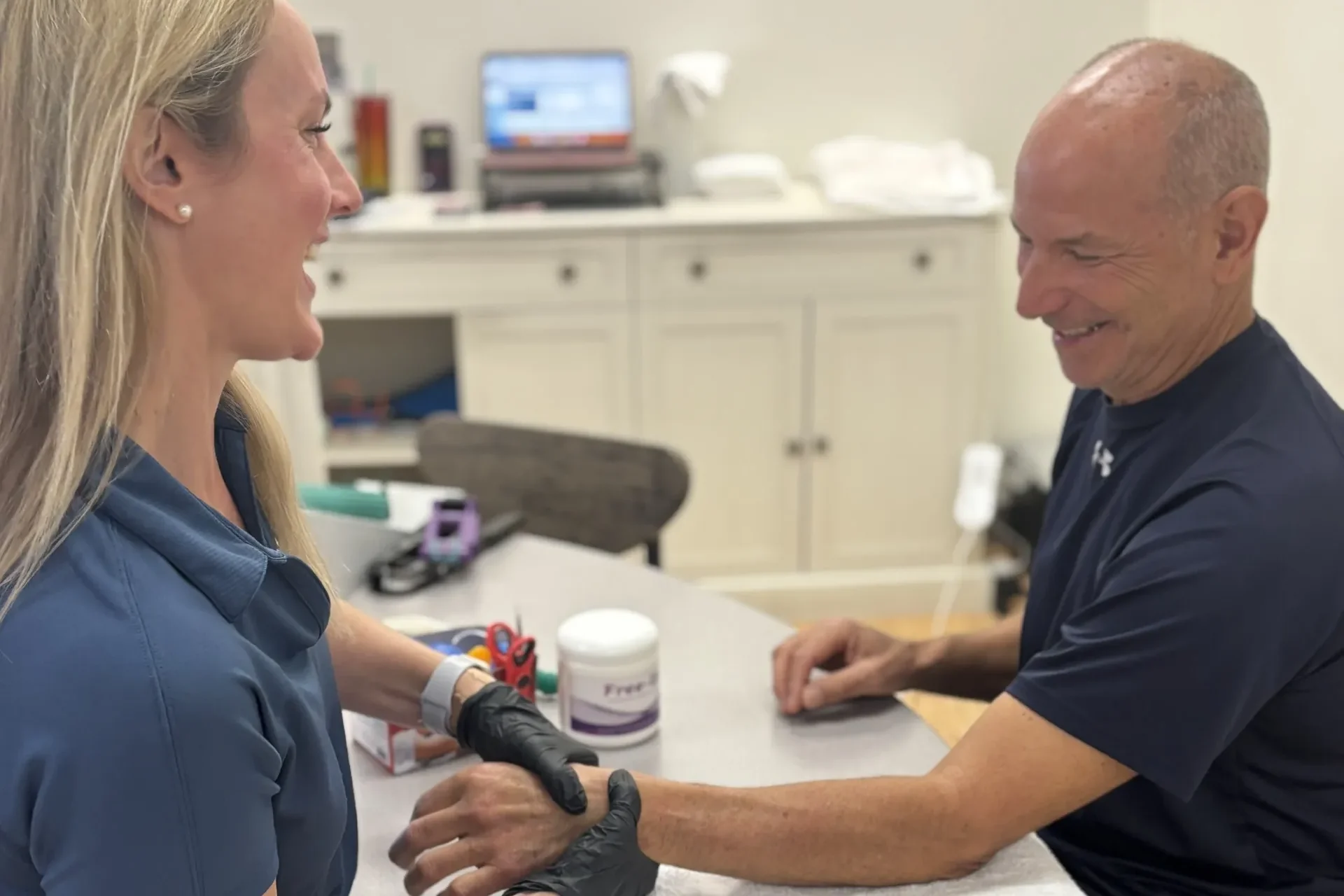
How Occupational Therapy Improves Posture and Reduces Pain
At Peak Orthopedic Physical Therapy, our occupational therapists have specialized training in the hands, wrists, elbows, and shoulders, which means they understand how these areas can connect to posture. Instead of isolating treatment to one area, we look at your movement patterns as a whole to correct problems before they become major issues. For this reason, your treatment plan will combine a range of active techniques to improve real-life function, so you can get back to the activities that matter most.
What You Can Expect From Treatment
Your care plan is designed to reduce pain, restore movement, and help you return to daily activities with confidence.
Manual Therapy
Hands-on treatment can help restore proper movement patterns and reduce discomfort. Techniques may include:
- Joint mobilization to improve range of motion
- Soft tissue work to reduce muscle tightness
- Myofascial release to address tightness and target connective tissue restrictions
Movement Retraining
Small adjustments often lead to noticeable relief. You’ll learn how to:
- Position your shoulders and arms with less strain
- Use proper mechanics during reaching, lifting, and typing
- Reduce compensations that overload certain muscles
Ergonomic Training
It’s important to set up your workstation to help you avoid repetitive stress, which can contribute to poor posture. We can help you adjust concerns like:
- Desk and chair height
- Keyboard and mouse positioning
- Phone and tablet use
Targeted Strengthening
Weak upper body muscles often contribute to poor alignment. We can help you improve strength in key areas, including:
- Muscles that support the shoulder blade
- Postural muscles in the upper back
- Forearm and hand, which allows for better control
Activity Modification
A key part of occupational therapy is helping you perform daily tasks more effectively, such as texting a friend or chopping vegetables for dinner. We’ll help you:
- Adjust how you perform key tasks
- Break up repetitive movements
- Use tools or supports when needed
Long-Term Pain Management Strategies
One of our big priorities is helping you reduce pain flare-ups even after you’ve finished treatment. Strategies might include:
- Education on pacing activities
- Techniques to manage inflammation
- Guidance on safe progression back to full activity
Start Building Better Movement Habits Today
Posture is not about forcing your body into a rigid position but about creating balance, efficiency, and comfort in how you move. If pain in your neck, shoulders, or hands is limiting your day, it may be time to look beyond your spine and address the full picture. Peak Orthopedic Physical Therapy’s occupational therapy team can help you improve overall movement patterns, reduce strain during daily tasks, and get back to the activities you enjoy. Request an appointment today to get started on the path toward a more comfortable, confident movement.
Keep Your Feet Healthy During Summer Travel
You’ve been looking forward to your summer vacation all year, but you probably haven’t put much thought into how travel can put a lot of stress on your feet! Walking through airports, exploring new cities, and wearing those beachy flip-flops can easily stress the many muscles, ligaments, and tendons in your foot.
While the Peak Orthopedic Physical Therapy team is always here to help with foot pain, we also love helping you minimize the risk even more.
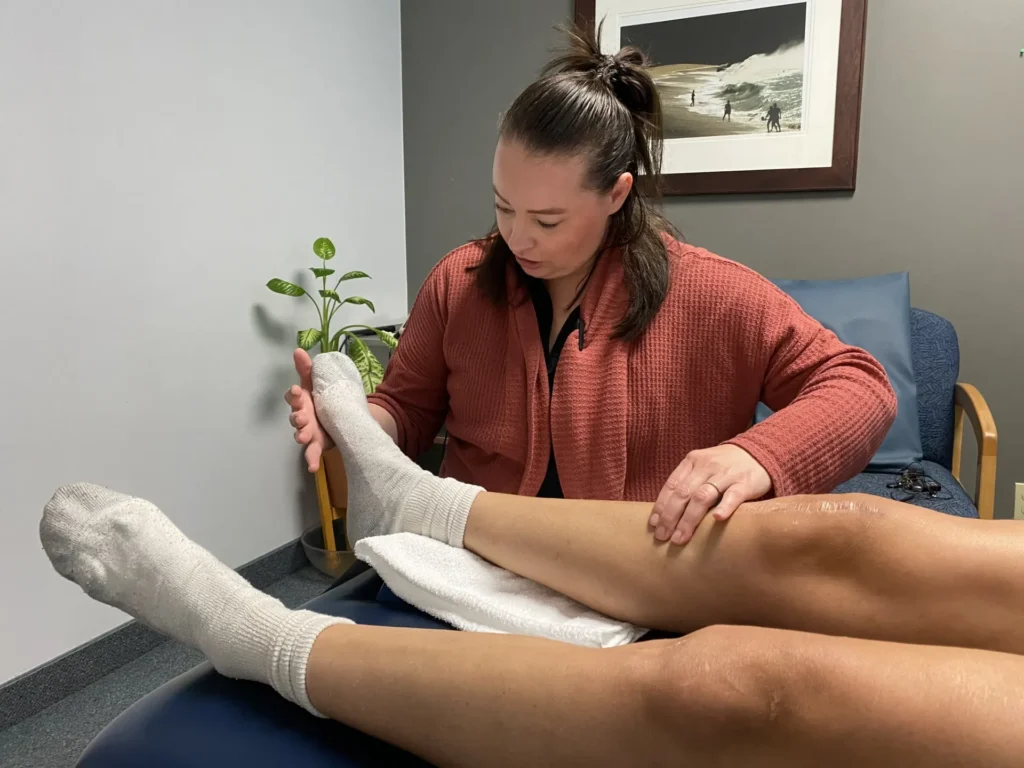
Simple Ways to Protect Your Feet This Summer
Choose Supportive Footwear
Flip-flops and flat sandals offer little stability. If you’re going to be walking a lot, opt for shoes with good arch support, plenty of cushioning, and a secure heel strap. This helps distribute pressure and reduce strain on the bottom of your foot (the plantar fascia).
Manage Swelling Early
Heat and prolonged standing can cause swelling. Be sure to stay hydrated and take short sitting breaks whenever possible. At the end of a long day, elevate your feet to help reduce discomfort.
Stretch Before and After Activity
Tight calf muscles can increase stress on the feet, so work in some calf stretches and gentle ankle movements to support better walking mechanics and lower your injury risk.
Watch for Skin Irritation
Blisters form from friction and moisture. You can prevent them by keeping your feet dry (moisture-wicking socks are a good choice) and addressing irritated spots early with padding or bandages.
Don’t Let Foot Pain Ruin Your Vacation!
A few simple adjustments will keep you moving comfortably, no matter where your travel takes you. And if pain persists, Peak Orthopedic Physical Therapy is here to help when you get back in town.
Peak Health & Fitness


Finishing physical therapy is a major milestone—but it’s not the end of your recovery journey. Peak Health & Fitness is designed to help you safely transition from rehab to long-term strength, stability, and confidence.
This medically guided exercise program bridges the gap between physical therapy and independent fitness. Whether you’re recovering from injury, surgery, or managing a chronic condition, we create a personalized plan that builds on the progress you’ve already made.
With expert supervision and a customized approach, you’ll continue improving strength, mobility, and function—while reducing your risk of re-injury. Our goal is to help you maintain your results, stay active, and get back to doing the things you love with confidence.
Ready to Take the Next Step?
Schedule your Peak Health & Fitness evaluation today and let our team design a program tailored to your goals.
Learn MoreFollow Us on Social Media
Stay connected and keep your health on track! Follow Peak Orthopedic Physical Therapy for expert tips, updates, and more. Don’t miss out—join our community today.
What Our Patients Say
“As an extreme sports athlete I’ve had countless surgeries. But what I’ve found time and time again is that finding an amazing physio is what really makes all the difference long term, not just physically but mentally.
Too many times I’ve felt like a piece of meat in a physio factory. Peak Orthopedic Physical Therapy makes you feel like family—the lead PTs greet you warmly, spend time with you, and it’s never rushed. Most of all, they know what they are doing. I cannot recommend them highly enough.”
Meet Our Team

Kris Mayer
PT, MPT
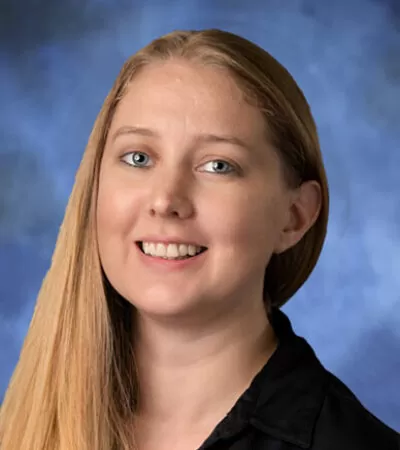


Jamie Becker
DPT, Director of Rehab