Overcoming Hip Pain: Find Relief and Resume Your Active Lifestyle
Don’t Let Persistent Hip Pain Keep You Down!
Do you experience pain in your hips while enjoying leisurely walks, climbing stairs, or bending down? Hip pain can significantly limit your ability to perform and enjoy daily activities. Fortunately, treatment with physical therapy can help you find relief and get back to doing what you love!
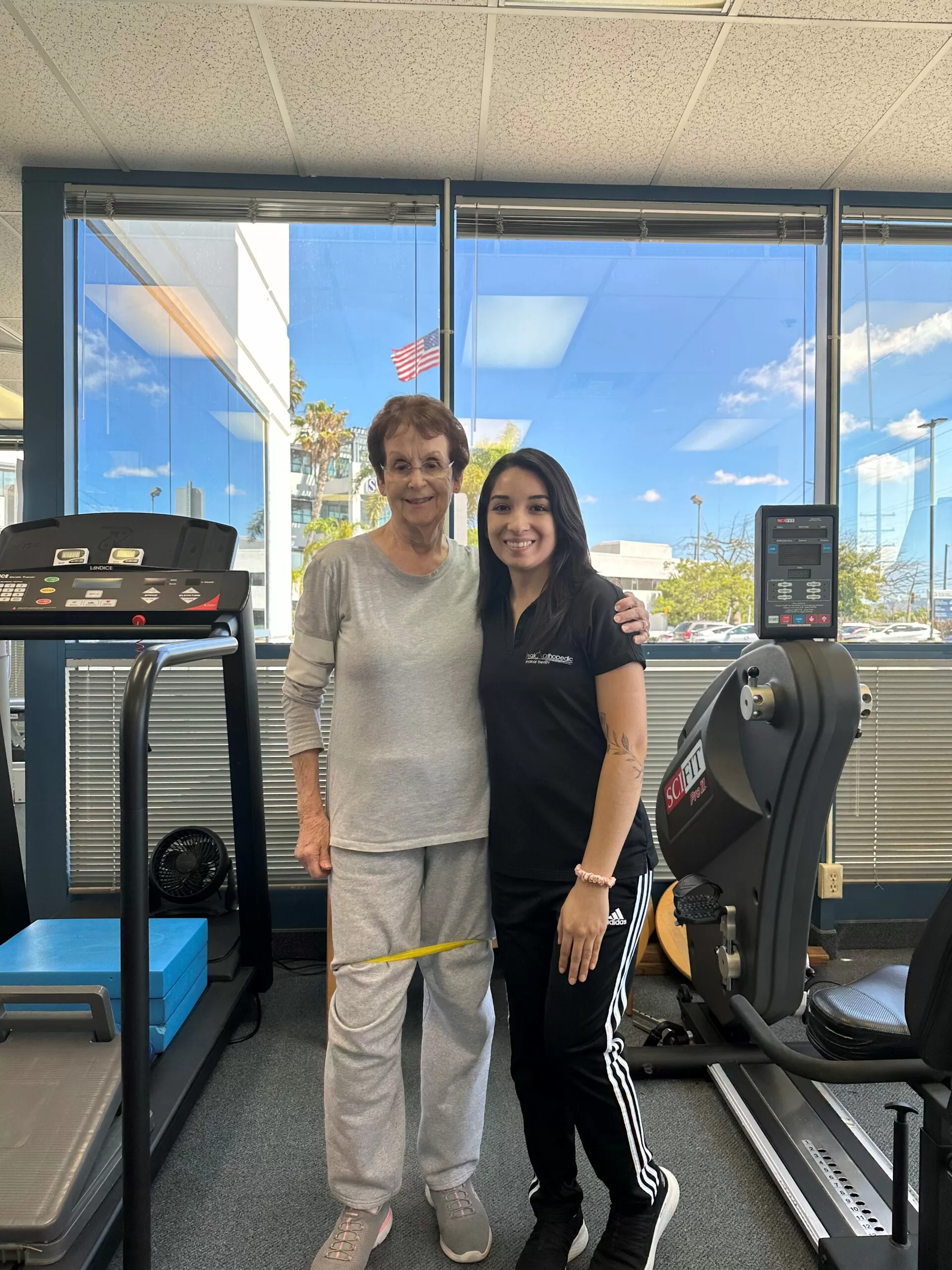
Patient Success
“I attended Peak PT for two years prior to my total hip replacement. Because of the pre-op exercises, the surgery went well and I was driving in a month. Post-op, I returned for rehab and under the guidance of Michael and Sarah, I have reached my goals. Many thanks to the staff in the gym and Amanda at the front desk. I have resumed my pre-op routine and credit Peak for their excellent care in my recovery!” – Norie M..

Staff Spotlight:
Michael McNab, DPT
We’re excited to spotlight one of our outstanding physical therapists, Michael McNab, DPT, from our Redondo Beach clinic!
Michael recently celebrated a very special milestone outside the clinic — he and his wife welcomed their first baby, a beautiful girl named Bethany. 💕
Please join us in congratulating Michael and his wife on their growing family and this wonderful new chapter in their lives. We are so happy for them and wish them many joyful moments ahead as they begin their journey into parenthood.
Michael, we’re thrilled for you and your family, and we can’t wait to see more baby photos!
Prehab and Rehab for Hip Surgery Success
Did you know that physical therapy is an important part of both the preparation for and recovery from hip replacement surgery? Prehabilitation, or “prehab,” focuses on strengthening the muscles around the hip joint and improving mobility to set you up for a faster and smoother recovery.
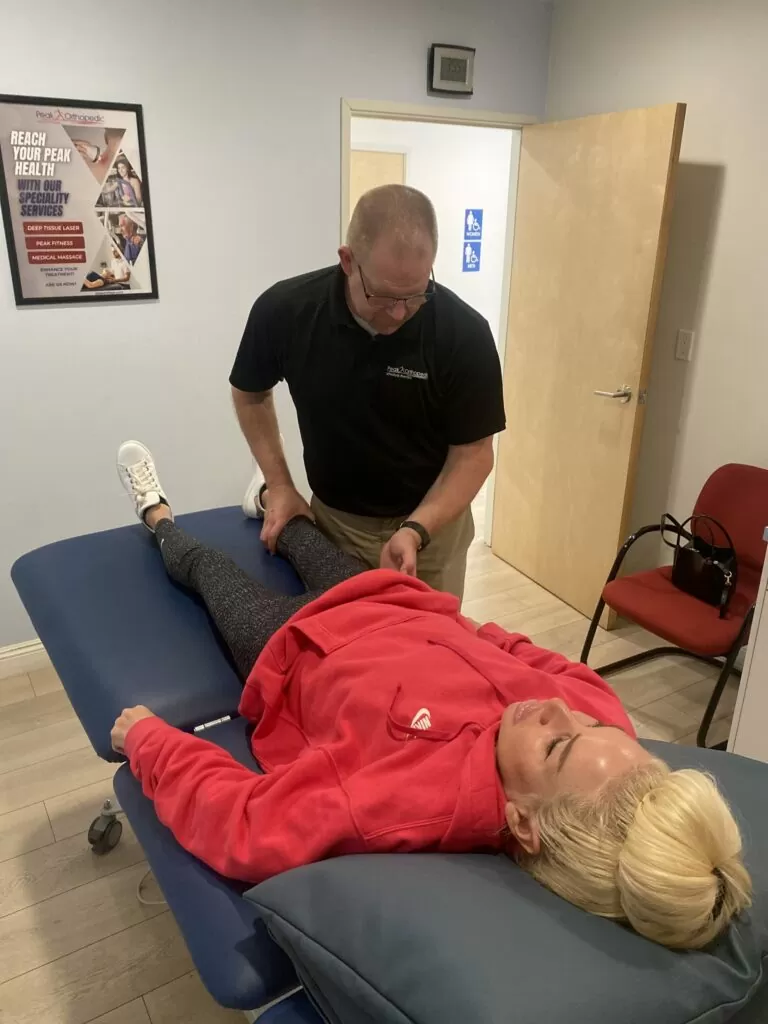
Prehabilitation
Prehab exercises may include:
- Targeted stretching and range-of-motion exercises
- Strengthening exercises
- Gait training and balance activities
Patients may also learn how to use assistive devices like walkers or crutches, as well as practice post-surgery movements like getting in and out of bed or a chair.
Rehabilitation
Rehab begins almost immediately after surgery, with exercises becoming more challenging as the patient heals.
- Early mobilization is key to prevent complications and promote healing
- Prescribed Exercises
- Manage pain
- Help prevent blood clots
- Regain mobility and strength
The duration and intensity of both prehab and rehab vary depending on individual factors such as age, overall health, and the specific surgical approach. However, both are integral components of a successful hip replacement journey by contributing to improved outcomes, reduced pain, and a faster return to normal activities.
How Physical Therapy Can Help
Physical therapy is a highly effective treatment for hip pain. Our PTs are movement experts who will conduct a thorough evaluation to identify the underlying causes of your pain.
Your personalized treatment plan may include:
Pain Relief
Specialized techniques, such as manual therapy, joint mobilizations, and soft tissue techniques, can help improve blood flow, free up tension or restriction in movement, and reduce pain in the affected areas.
Mobility Work
Prescribed exercises to improve movement and range of motion in the hip joint.
Strengthening Exercises
Exercises to strengthen the muscles around the hip joint, providing support and stability for a successful recovery.
Personalized Hip Pain Relief
A retired teacher sought help at our clinic due to persistent hip pain that had gradually worsened over the past year. The pain was most noticeable when standing up from a seated position, during walks with her dog, and at night while trying to sleep. She had tried over-the-counter pain medication, heat therapy, and rest but found minimal relief.
During her evaluation, our physical therapists observed limited range of motion in her hip and noted weakness in the surrounding muscles. After a comprehensive assessment, she was diagnosed with hip osteoarthritis, a common condition associated with aging and wear and tear on the joint.
Our PTs created a tailored treatment plan for her that focused on pain management, improving hip mobility, and strengthening the supporting muscles. Targeted manual therapy techniques were utilized to reduce pain and stiffness, while prescribed exercises aimed to increase her range of motion and improve overall hip function. We also provided her with education on proper body mechanics and strategies for managing daily activities.
After attending every physical therapy session and following exercise instructions in between, she experienced significant improvement in her hip pain and mobility. She was able to resume her daily walks with her dog, enjoy gardening without discomfort, and sleep soundly through the night.
Book an Appointment at Peak Orthopedic Physical Therapy Today!
At Peak Orthopedic Physical Therapy, we will perform a comprehensive health assessment and analyze your hip pain and condition. Then, we’ll design a personalized program to help you recover with strength and confidence.
Don’t let hip pain hold you back. Call us today to schedule your first appointment!
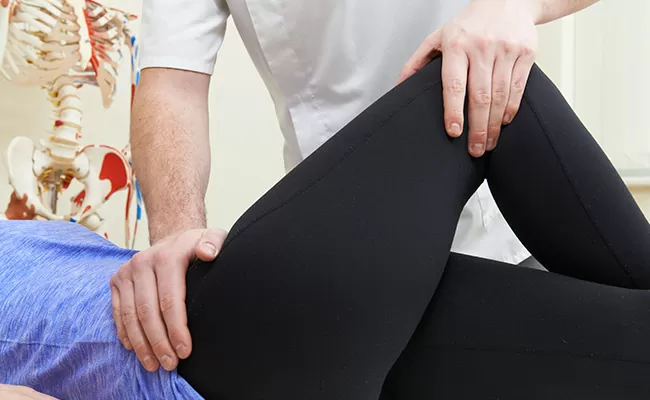
Understanding Your Hip Joints
Your hips are ball-and-socket joints, where your femur (thigh bone) fits into your pelvis (hip socket). A cushion of cartilage in your hips prevents friction as your hip bone moves within the socket. Pain can occur if this cartilage wears down or is damaged due to age, injury, or overuse.
There are several reasons why you may be experiencing hip pain:
Arthritis
Osteoarthritis is a common cause of hip pain, particularly in older adults. It occurs when the protective cartilage in the hip joint wears down over time, leading to pain, stiffness, and reduced range of motion.
Tears and Ruptures
Ligaments and cartilage in the hips can tear due to injury or overuse, causing pain and instability.
Bursitis
Bursae are fluid-filled sacs that act as a cushion between the bones, tendons, and muscles near the hip. Bursitis, or inflammation of these sacs, can cause pain and tenderness in the hip.
Strains
Sudden or repetitive activities can strain or inflame the muscles and tendons around the hip joint, resulting in pain.
Additional causes of hip pain include fractures, dislocations, and certain diseases. If you experience sudden or severe hip pain, especially after an injury, it is important to contact our office for evaluation as soon as possible.
Prepare and Recover From Hip Surgery with Peak Orthopedic Physical Therapy
If you’re planning for hip surgery, or contemplating it down the road, contact us today to learn how our prehab and rehab programs can set you up for success. We’ll answer any questions you have and talk about what to expect at every stage. Call today!
Follow us on social media!
Stay connected and keep your health on track! Follow Peak Orthopedic Physical Therapy on social media for expert tips, updates, and more. Don’t miss out – join our community today!
Meet Our Team



Recipe of the Month: Blender Banana Spinach Muffins

Ingredients:
- 2 eggs
- 2 medium to large extra ripe bananas (with LOTS of brown spots)
- ¼ cup pure maple syrup or honey
- ⅓ cup dairy free milk of choice (I used almond milk)
- 3 cups fresh spinach
- 1 teaspoon vanilla extract
- 1 cup packed blanched almond flour
- 1 cup oat flour, gluten free if desired
- ¼ cup flaxseed meal
- 1 teaspoon cinnamon
- 1 teaspoon baking powder
- ½ teaspoon baking soda
- ¼ teaspoon salt
- 2 tablespoons hemp seeds
Instructions:
- Preheat the oven to 375 degrees F. Line a muffin tin with 10 muffin liners (we’re only making 10 muffins). Spray the inside of the muffin liners with nonstick cooking spray so the muffins do not stick to the liners.
- Add the eggs, bananas, maple syrup/honey, dairy free milk, spinach and vanilla extract to a large, high powered blender and blend on high for 1 minute or until completely smooth. Set aside.
- In a large bowl whisk together the almond flour, oat flour, flaxseed meal, cinnamon, baking powder, baking soda and salt until well combined. Pour the blended wet ingredients over the dry ingredients and mix with a wooden spoon until well combined. Feel free to stir in hemp hearts, if using. Divide the batter between the muffin liners. Bake for 20-25 minutes or until a toothpick comes out clean or with just a few crumbs attached.