Posture Could Be the Culprit Behind Your Shoulder Pain
Do you have a daily struggle with your shoulders? Do everyday tasks, such as sitting at your desk or standing to cook dinner, cause pain between your shoulder blades or your shoulders and neck? Your discomfort could be due to your posture.
Our posture affects most of the activities we do every day. Any change in it also changes the way we use our bodies. Sitting or standing with our heads protruding forward can adjust the positioning of our entire shoulder complex. Our shoulder blade rolls forward, which in turn forces the shoulder joint in an abnormal orientation.
Changes to our posture change how well our shoulder muscles work and how the joints function. Over time, these changes can lead to shoulder pain and dysfunction. Fortunately, our team of physical therapists knows how to address these issues and guide you to the results you are looking for!
If you believe your posture could be contributing to your shoulder pain, call Peak Orthopedic Physical Therapy to schedule an appointment and discuss your treatment options.

Patient Success
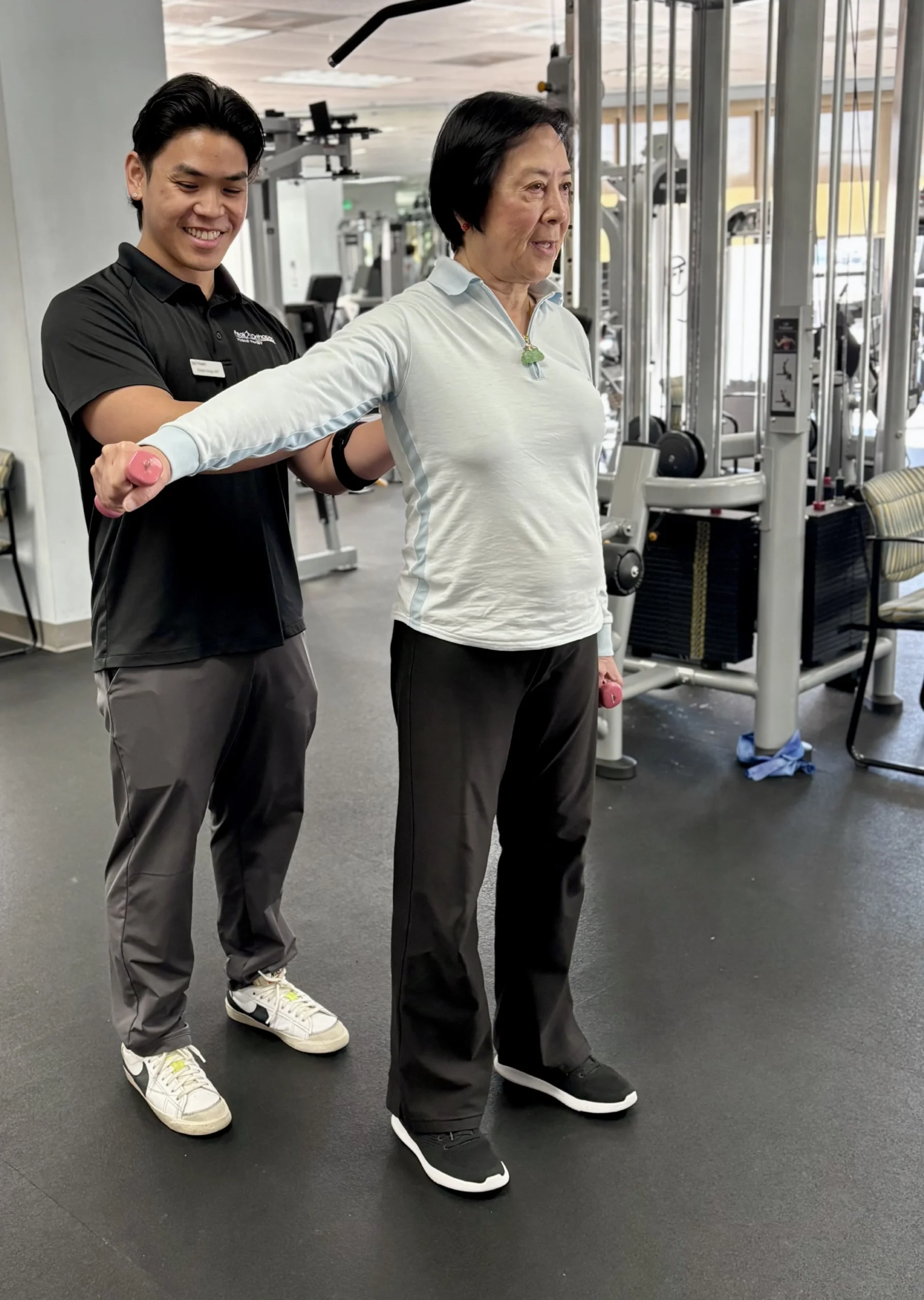
“I am a 66-year-old that had to have a total shoulder replacement. When I started at Peak Orthopedic, the pain and discomfort were so significant that I couldn’t even drive. Now at 5-1/2 months into my recovery, I’m stoked to have regained about 80% of my range of motion. I want to express my sincere gratitude for the exceptional care I’ve received. Aimee and Kumi, your friendly greetings and efficient scheduling at the front desk have always made my appointments a pleasant experience. Scott and Cynth, your expert guidance and hands-on therapy have been instrumental in my progress. Thank you all for your wonderful support and for making this recovery journey so positive!” – Ron W.
How posture affects the shoulders
Shoulders are a common area for pain when you slump. When we slouch or hunch too much, the muscles and tendons are being worked in ways that they are not used to. This position also leads to stress on the joints, which can cause inflammation and pain.
Many patients who seek physical therapy for shoulder pain impingement learn that they can blame years of slouching for the predicament they’re in. Slouching essentially shrinks the space our tendons run through, setting us up for a “pinching” of the tendon (i.e., impingement). When this happens, you may experience pain lying on the shoulder when sleeping or reaching for something to the side or overhead.
Left untreated, poor posture in the shoulders can lead to long-term effects, such as tendonitis, nerve constriction, or even spine misalignment.
Some of the most common postural errors include:
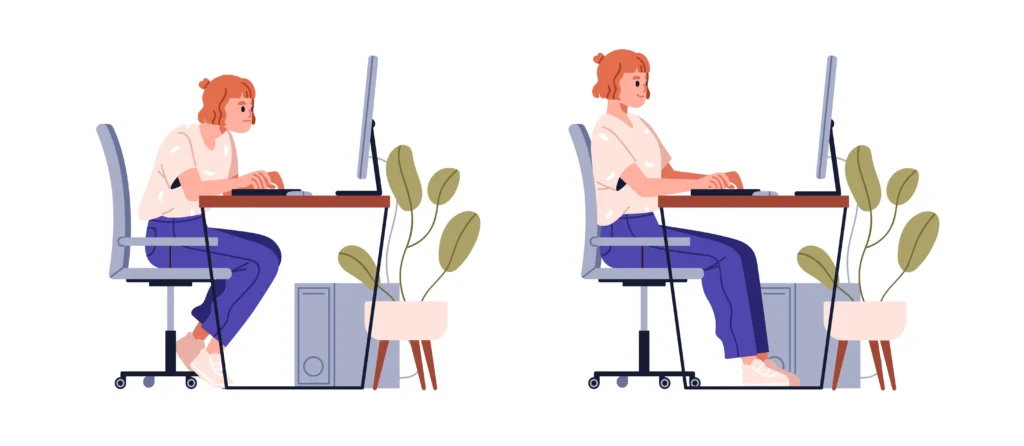
- Slouching in a chair – It is so simple to sit at work all slumped over. Over time, sitting this way strains the muscles and eventually causes pain. The more significant issue is that we stay like that for the rest of the day. Sometimes this is due to improper chair or desk height, but we attempt to make ourselves comfortable most of the time. The best way to avoid this is to get into the habit of sitting tall. This means sitting upright, legs uncrossed, feet flat on the ground, with your legs a few inches away from the chair’s seat. You can also use a lumbar roll or rolled up towel to help you maintain the proper posture. Place the roll in the small of your lower back. This prevents your lower back from rounding into the chair and helps you stay sitting up tall.
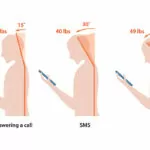
- Text Neck – The term text neck is used to describe a position in which the head is tilted downward, and the shoulders are hunched over (as if someone was looking down at a phone screen and texting.) This is also commonplace in desk jobs, as many people will experience text neck when hunching over their keyboards or sorting through files. Over time this can lead to tight chest muscles and weak upper back muscles. As your body gets used to this stance, it becomes hard to get out of it, making you more susceptible to injuring your shoulder and neck.
- Rounded shoulders – This type of posture error is caused when the shoulders are rounded forward instead of back, and the head and chest are slumped forward. This position is prevalent with activities that require prolonged standing. We round our lower back and allow our shoulders to slump forward as we stand. Unfortunately, this posture contributes to difficulty reaching, lifting, and carrying things. Daily tasks become painful and limited. This stature makes us susceptible to tension and strain in the upper back, shoulder blades, shoulders, and neck. You can also use a lumbar roll to help you maintain the proper form. Place the roll, or roll up a towel, in the small of your lower back. This prevents your lower back from rounding into the chair and helps you stay tall.
How physical therapy helps
Our physical therapists at Peak Orthopedic Physical Therapy are dedicated to helping you achieve your highest level of physical ability. Improper posture can be a difficult habit to break, but our staff will use the most comprehensive approach to address your needs and determine the specific problem areas of your posture. We will then determine the best course of treatment for your needs, and we will assist you in the necessary exercises and therapies that will ease your body into its intended posture once again.
Is Your Posture Causing You Pain?
If you are experiencing shoulder pain, contact us today to set up a consultation. Whatever the culprit may be, rest assured that our therapists will get to the bottom of your problem.
We’ll get your posture back where it belongs and help you feel good again!
How to Improve Your Posture at Work
One study found that the average person spends a third of their life at work–so if you’re looking to improve your health and wellness, you need to take your job into consideration!
Unfortunately, many jobs can make this challenging. They force you into prolonged postures or require you to perform repetitive movements–both of which can strain your musculoskeletal system.
At Peak Orthopedic Physical Therapy, our physical therapists can work with you to find solutions to any work-related concerns. Here are a few of the things we might suggest:
Find your ideal posture.
An ideal posture is one in which your spine rests in its natural alignment, whether sitting, standing, or moving around. This is something we can help you discover!
Take frequent breaks
As the saying goes, “Your best posture is your next posture.” Find ways to move your body throughout the day. If you work an office job, this can be as simple as getting up every 30-40 minutes for five minutes.
But even if you have a job that requires you to stand for long periods (such as retail or factory work), you still need to take breaks. Shift your weight, put a leg on a bench, or do some quick stretches–we can help you find quick, simple ways to move.
Pay attention to ergonomics
The field of ergonomics focuses on improving your working environment for comfort and efficiency. Make sure your workstation (whether a chair and desk or a workbench) is the right height for your body. Use adaptive equipment as necessary. Our team can provide all the guidance you need!
Service Sportlight: Peak Health & Fitness
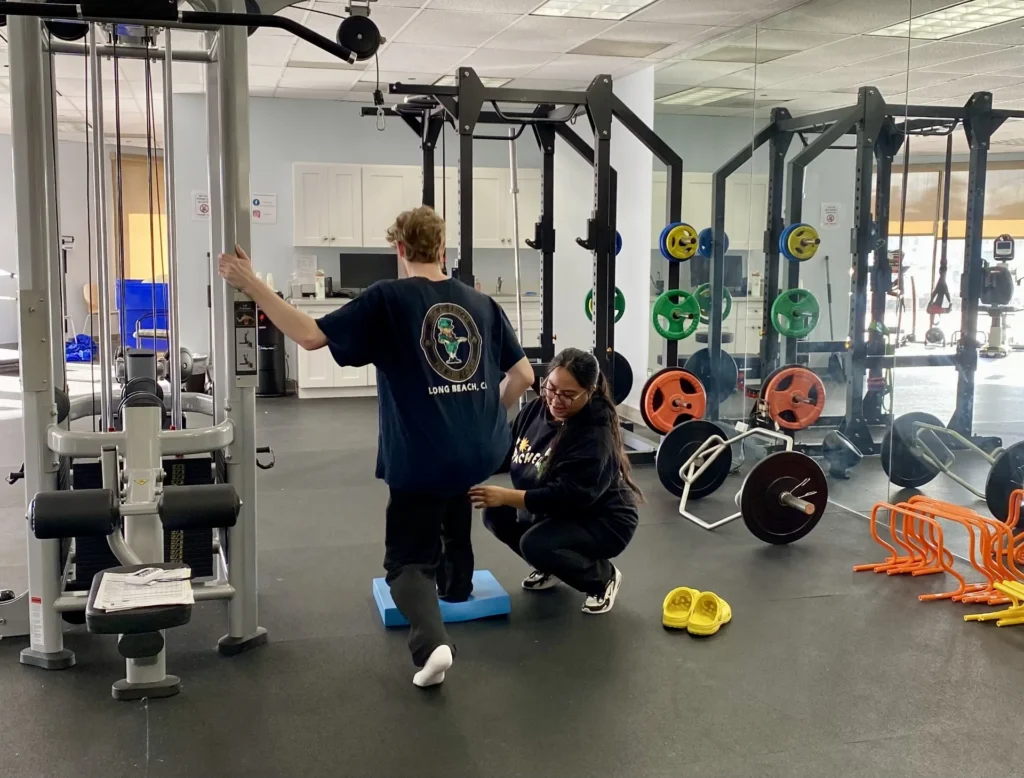
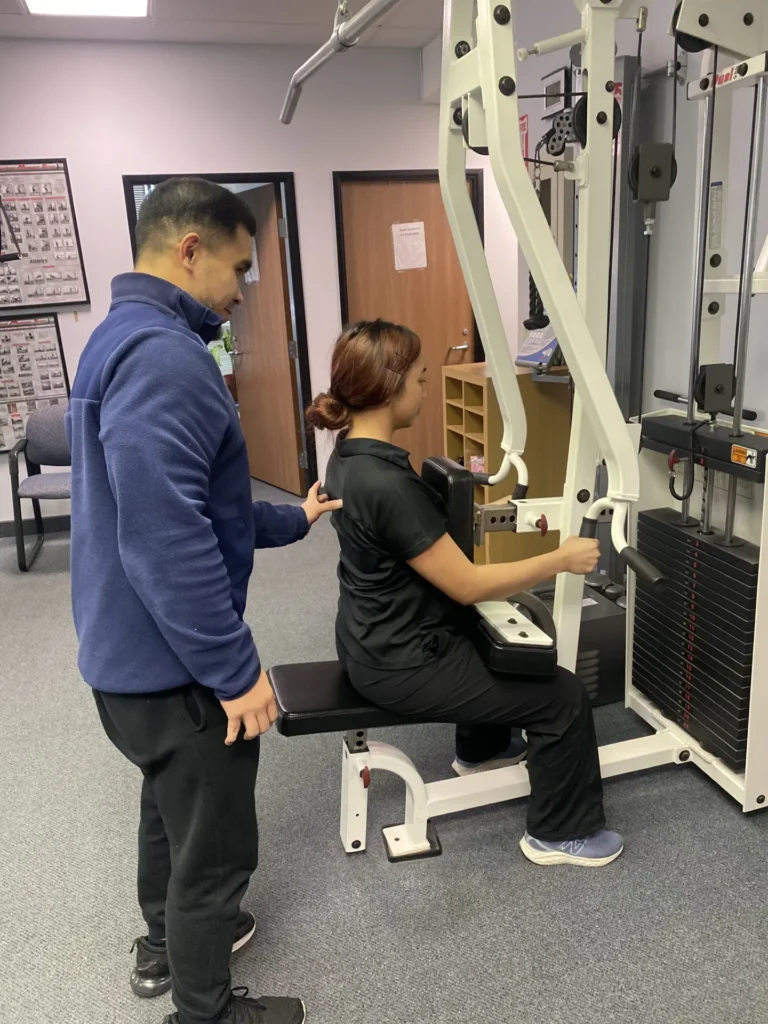
Peak Health & Fitness is a medical exercise initiative that is designed from the ground up to address the specific needs of clients who need a comprehensive preventative and progressive program to achieve optimal health and wellness.
Whether you are someone who is trying to get on the road to recovery because of a health issue – including obesity, heart disease, hypertension, diabetes, and cancer – or an active individual that wants to get in the best shape you’ve ever been in, trust Peak Health & Fitness to be there for you every step of the way with a highly customized program that gets results.
Follow us on social media!
Stay connected and keep your health on track! Follow Peak Orthopedic Physical Therapy on social media for expert tips, updates, and more. Don’t miss out – join our community today!