Do You Have Difficulty Walking Due to Back Pain?
Do you find it challenging to go for a walk because of back pain? Have you noticed how your walk has changed since your back pain started? You are not alone! Fortunately, physical therapists are experts in treating back pain and assessing your gait!
For those who struggle with chronic back pain, even the essential task of going for a walk can be overwhelming and painful. Back pain seems like it can strike at any time. Whether in the upper back and neck or in the lower back, back pain can affect even the most basic activities like walking.
The only thing that can fix your back pain is addressing the issue causing your pain head-on. Our physical therapists are an excellent resource for managing your back pain and difficulty walking. Call Peak Orthopedic Physical Therapy today for our comprehensive assessment of your back and your gait! We can be a helpful tool in getting you back on your feet.
Patient Success
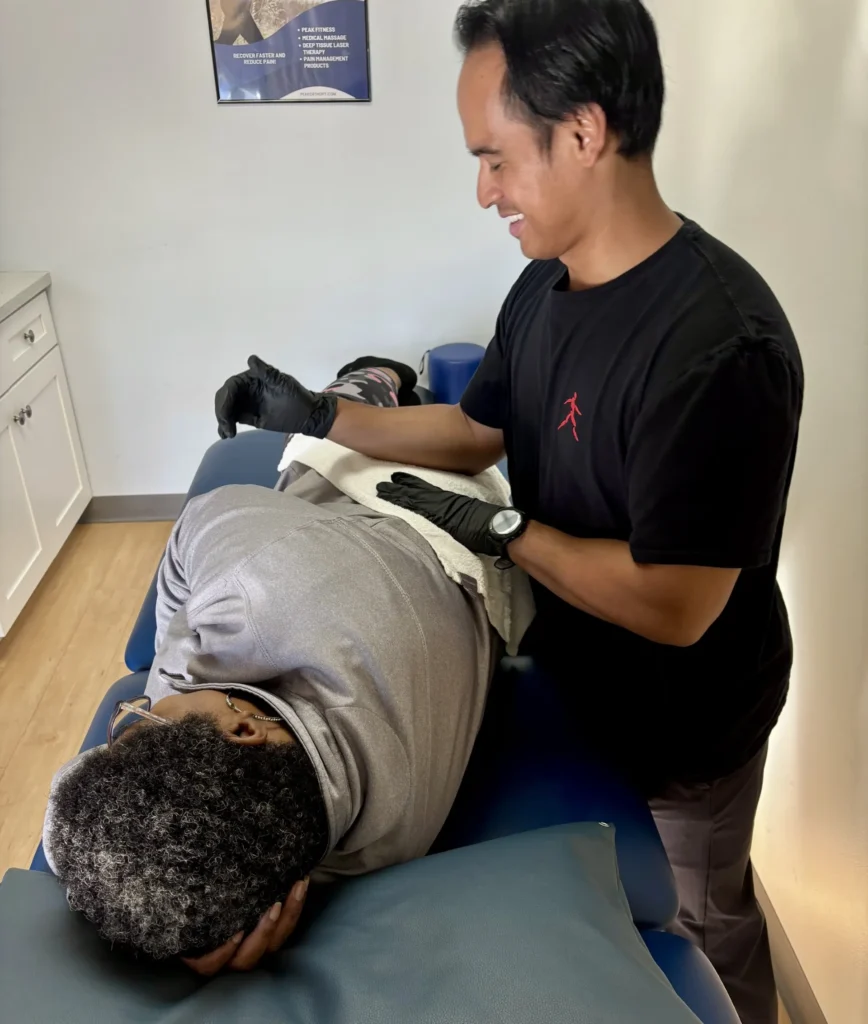
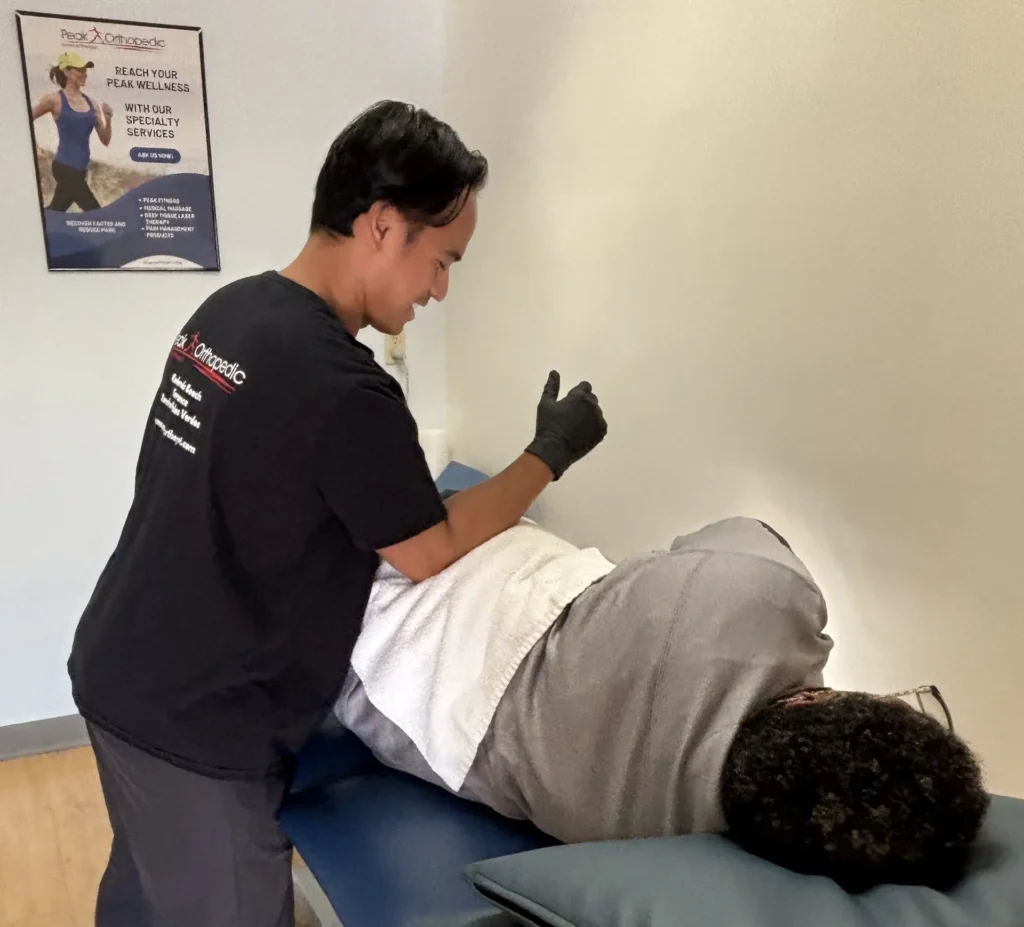
“I did not believe PT would help. My back ached horribly and the orthopedic doctor told me that I would need surgery and that I needed to strengthen my core. Wanting to avoid surgery, I knew I needed to give PT a try… but this time I needed to be consistent with my efforts. Making an appointment at Peak was easy. The front desk staff was both efficient and friendly. My first appointment was thorough. Ceasar listened patiently and responded directly to specific concerns. Throughout the 6 weeks, Ceasar and Koa alternated seamlessly, both listening and responding to my questions. They recommended exercises for specific areas based on my activities. The exercise specialists were all attentive and knowledgeable. I leave feeling stronger and in a lot less discomfort.” – Carolin W.
How Back Pain Affects Your Gait
Whether your back pain started after a sudden injury or due to a chronic issue that has developed over time, it is common that it interferes with everyday activities like walking.
People with low back pain often walk slower than people without pain. In addition, the coordination of how you walk changes. When you are in pain, you tend to walk “out-of-phase,” meaning the rotation of the pelvis and thorax are less synchronized. It is thought that you will do this out-of-phase gait to avoid significant (or fast) rotations in the back.
It is also common for people in pain to have increased muscle activity on the painful side of their back. This change in muscle tension can influence your step length, step time, stride length, velocity, and cadence. At Peak Orthopedic Physical Therapy, our physical therapists can be the answer to helping you enjoy a life free of back pain. And the secret to success is learning to approach recovery one step at a time.
How physical therapy can help
When your back pain begins to interfere with your ability to move around freely, then you know it is time to start doing something about it. Physical therapists are experts at treating musculoskeletal problems like back pain and gait difficulties.
Our physical therapists will look at you as a whole person rather than a single issue. We will assess your particular condition to identify the contributing factors and address all of them. We understand that trying to resolve back pain without addressing the difficulty of walking will not provide the solutions you need for long-term success.
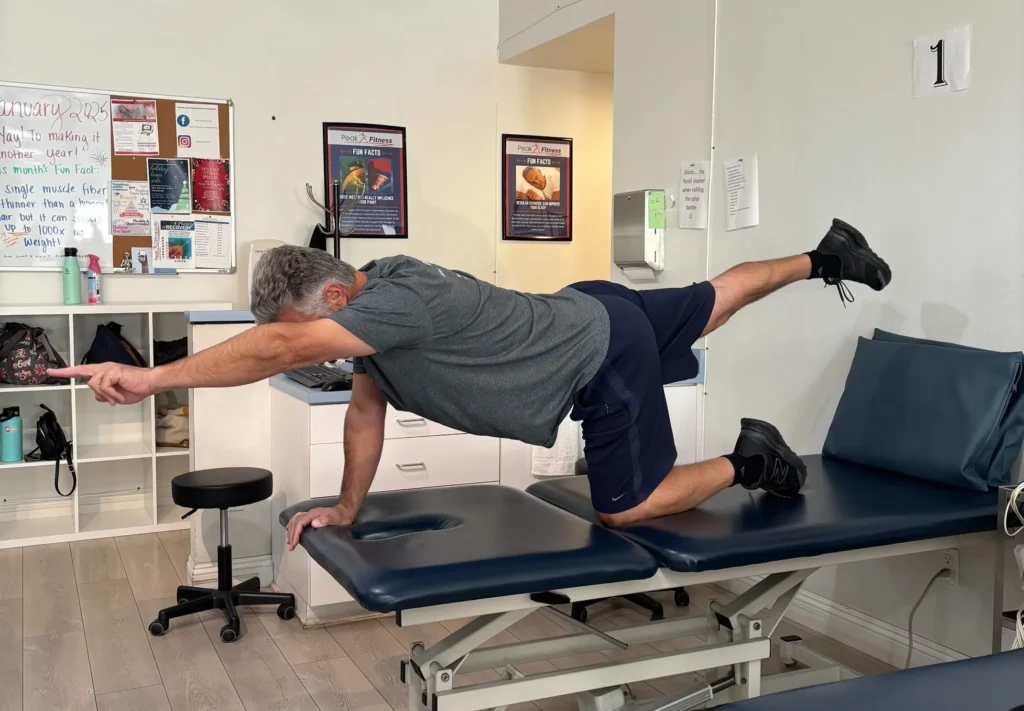
What to expect at physical therapy
Your physical therapist will perform a thorough physical examination and provide you with solutions that work based on the findings. Physical therapy treatments are effective at improving your pain levels and the way you walk.
When you are experiencing recurring back pain—especially if you are experiencing back pain while walking—you should consider ways to reduce back pain by taking small steps to support your back. You can do several things at home to improve your stride, which can make a significant difference when it comes to managing back pain day-to-day.
Your therapist will teach you strategies like:
- Standing tall whenever you are standing or walking. Work on improving your posture. If you are slouching when you walk, that may impact how your back feels. Make a point of keeping your shoulders square and your back straight as you walk.
- Making sure that you are wearing suitable types of shoes. The golden rule for walking is to wear sneakers, specifically the ones that meet your individual needs. Our therapist can make recommendations based on your unique needs.
- Trying a custom insert in your shoe. Orthotics, for most people, are meant to be temporary. Getting your old orthotics assessed by our therapists will be very helpful to ensure one is still necessary and/or you have the right ones for your specific situation.
- Changing “how” you walk. Making sure you restore the coordination between your trunk and your pelvis can make all the difference in the world. Our therapist will assess you and give you specific instructions to improve how you walk. Often we change how we walk when we are hurting.
Working with a physical therapist to develop improved strategies and techniques with your walking could help you get back on your feet even sooner than you thought possible. What’s more, for those who can walk, getting on your feet more often with targeted exercises could help you find relief from back pain even sooner than expected.
Call our clinic today
Call Peak Orthopedic Physical Therapy today for a comprehensive assessment of your back pain and your gait. Working with our physical therapists to improve your walking technique can help you overcome back pain one step at a time. If you have a history of severe back pain that has changed how you walk, don’t hesitate to talk to our physical therapists. We offer the results you are looking for!
Garden and Yard Work:
Approaches to Injury Prevention
Spring has sprung, and many are eager to get their hands dirty in the garden or yard. However, these activities can put an unexpected strain on your body if you’re not prepared. Try these tips to keep you gardening longer while minimizing your risk for injury.
- Movement Prep: Gone are the days of old-school static stretching. Instead, use a dynamic warm-up to prep your muscles and joints for gardening.
- Spinal Health: Incorporate ‘active breaks’ every 20 minutes to reset your spine. Or alternate between working up high (like trimming bushes) and down low (like planting flowers). This gives specific muscle groups a break and reduces the risk of overuse injuries.
- Neuromuscular Control: Practice exercises that engage both your brain and muscles, like balance exercises to avoid trips and falls over uneven terrain or gardening tools, making it easier to navigate through your garden.
Utilizing these cutting-edge approaches can ensure a physically fulfilling and injury-free gardening season, allowing you to fully enjoy the fruits (and flowers) of your labor.
Happy Gardening!
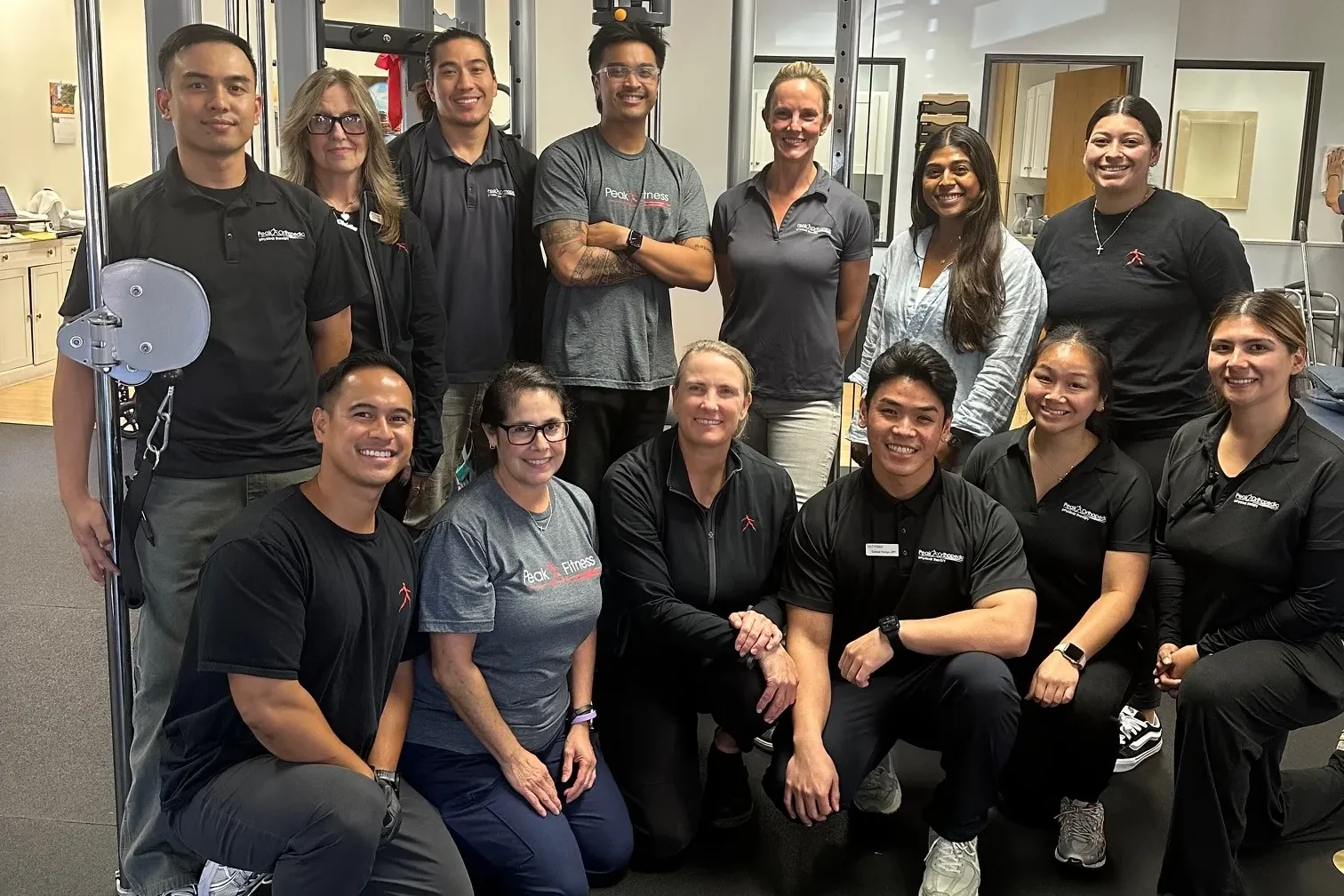
Service Sportlight: Peak Health & Fitness
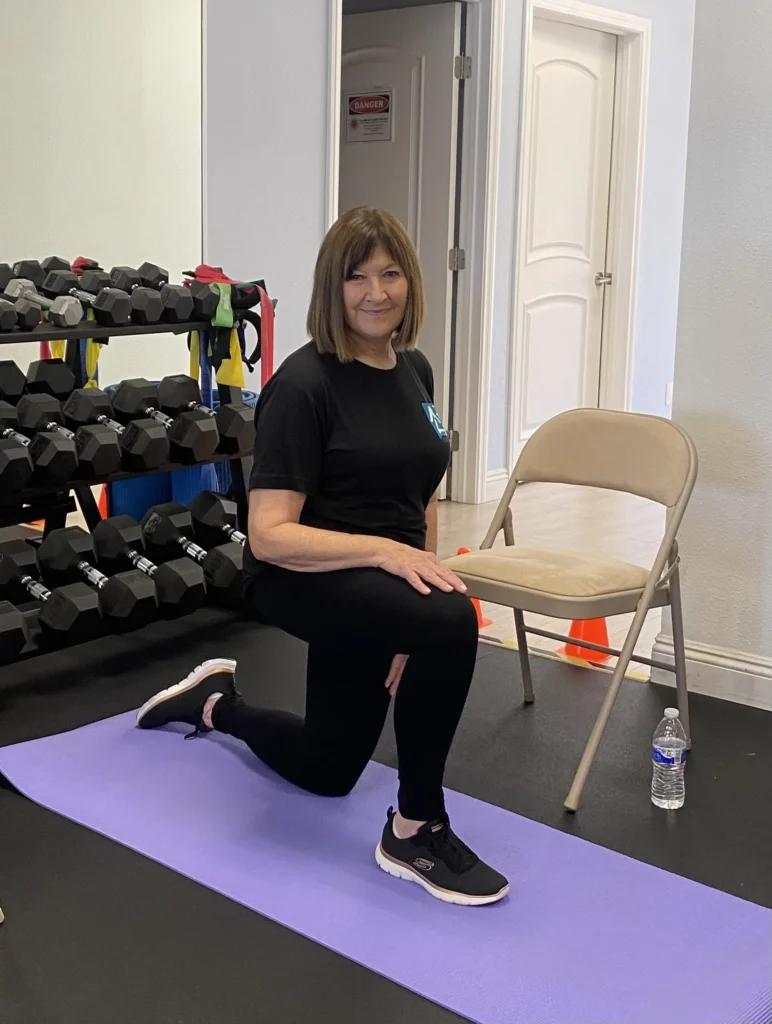
Peak Health & Fitness is a medical exercise initiative that is designed from the ground up to address the specific needs of clients who need a comprehensive preventative and progressive program to achieve optimal health and wellness.
Whether you are someone who is trying to get on the road to recovery because of a health issue – including obesity, heart disease, hypertension, diabetes, and cancer – or an active individual that wants to get in the best shape you’ve ever been in, trust Peak Health & Fitness to be there for you every step of the way with a highly customized program that gets results.
Follow us on social media!
Stay connected and keep your health on track! Follow Peak Orthopedic Physical Therapy on social media for expert tips, updates, and more. Don’t miss out – join our community today!
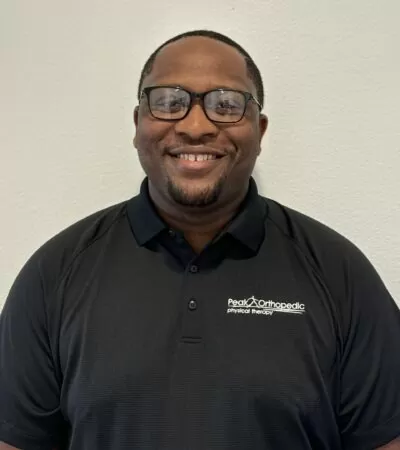
Meet Our Team


Sources
- https://www.frontiersin.org/articles/10.3389/fpsyg.2018.02236/full
- https://www.ncbi.nlm.nih.gov/pmc/articles/PMC3048239/
- https://www.sciencedirect.com/science/article/abs/pii/0304395995001158
- https://sites.kowsarpub.com/jamm/articles/82816.html
- https://journals.lww.com/spinejournal/abstract/1993/09010/gait_analysis_of_patients_with_low_back_pain.8.aspx