Improve Your Running Mechanics with These Tips
Are you a runner? If so, you understand the importance of maintaining proper form and technique while you’re out on a trail, training for a marathon, or simply jogging through the neighborhood. At Peak Orthopedic Physical Therapy, we want to make sure that you are performing at your optimum levels of function, so you can avoid injury and get the most out of your sport!
Avoid Common Running Injuries
As a runner, it is possible for injuries to occur. It is important to make sure you are always being as safe as possible. Perhaps the most common injury that people endure from running is an overall feeling of soreness, caused by overusing the muscles, tendons, and ligaments. When the muscles, tendons, or ligaments are overstretched, the tissues experience minor damage in the form of microscopic tears. This typically occurs when completing an exercise that the body is not used to, or exercising for the first time after a prolonged period of rest. The soreness may linger for a few days but usually goes away on its own. However, the severity of the damage determines how long the body will need to recover. For more information on how you can prevent severe injuries, contact Peak Orthopedic Physical Therapy today.
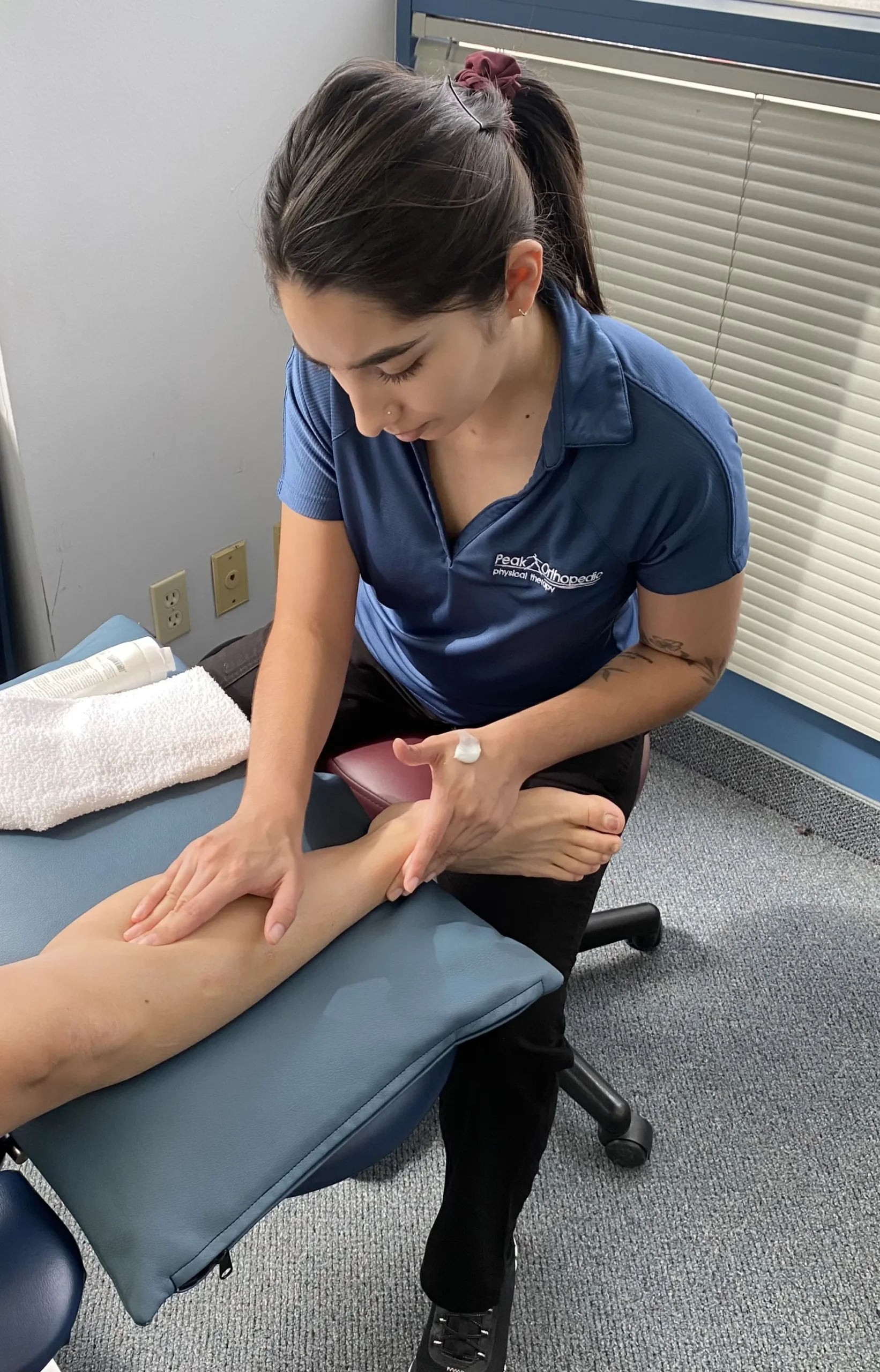
Speed Up Your Recovery With Our Additional Services
- Peak Fitness (gym membership that includes fitness assessment, custom workout program and supervision)
- Medical Massage (massage with special attention to medical conditions or injuries)
- Deep Tissue Laser Therapy (Lightforce Class IV Laser for reducing pain and speeding up healing)
- Pain Management and Home Exercise Products
How can I prevent running injuries?
While it is always a wise decision to consult with a physical therapist, there are some tips you can implement into your personal life as well, in order to decrease your risk of sustaining an injury. These include:
- Stretching. This is one of the most important ways to prevent injuries. Your tissues require water in order to be elastic, and stretching helps to bring water into the tissues.
- Hydrating and eating nutritious meals. Did you know that your body is over 70% water? Because of this, it requires water in order to remain supple and function properly. Without adequate water and nutrition, your body’s tissues are more prone to over-stretching and injury. Make sure you drink the recommended 8 glasses of water a day, and always keep a water bottle with you when you are working out.
- Staying within your abilities. It is important to train and practice for any physical activity you’d like to try. Start small in the beginning and build up from there. A physical therapist can help you understand the limits of your body and can create an exercise plan for you to reach your physical goals.
- Using the proper equipment. When engaging in any type of physical activity, it is important to make sure you have the right equipment. For example, running shoes, hiking boots, helmets, and more can help you avoid injury and stay safe while doing the activities you enjoy. They can make all the difference when it comes to preventing injuries.
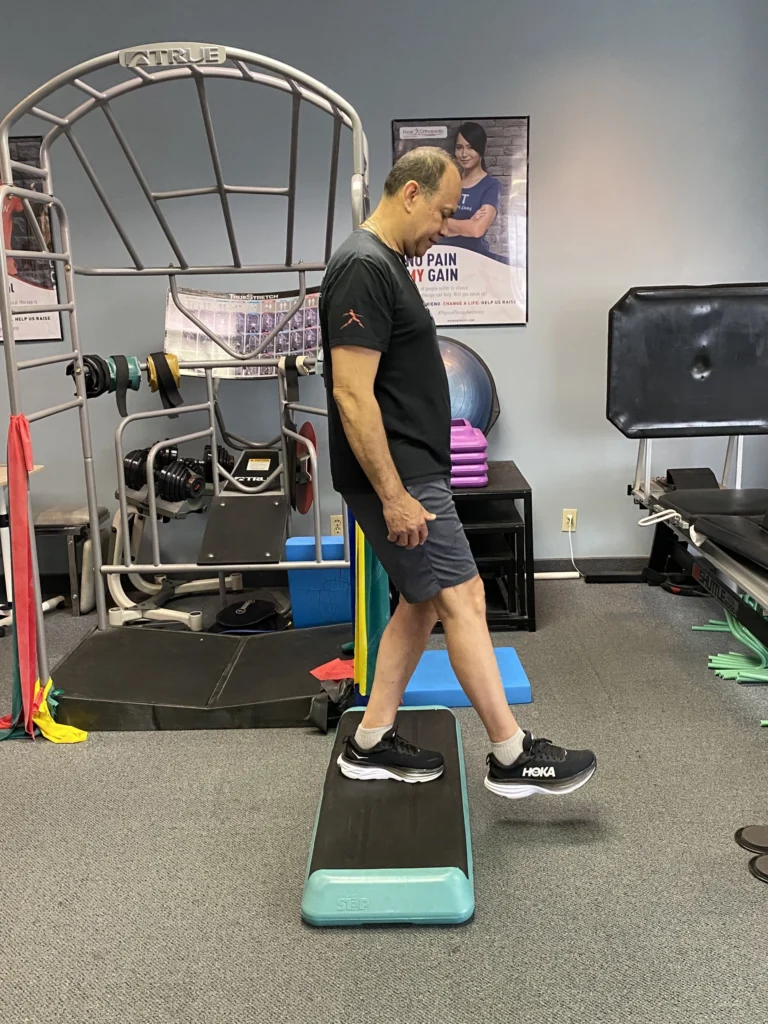
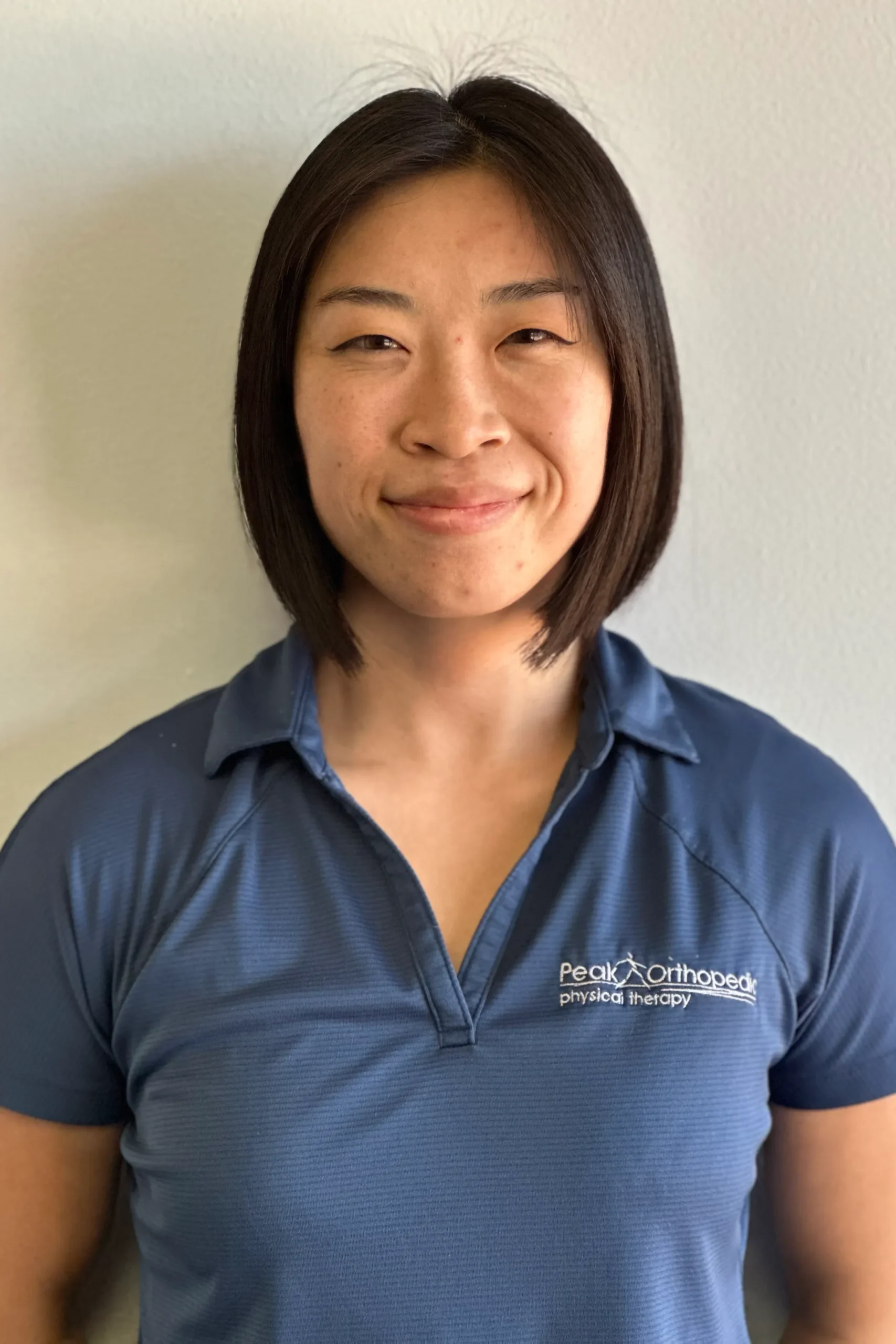
Staff Spotlight: Jessica Kwong, DPT
This month, we are proud to highlight Jessica Kwong, DPT, one of our talented physical therapists here at Peak Orthopedic Physical Therapy! Jessica was born and raised in the South Bay and has practiced traditional Karate throughout her life, representing the National USA Karate team since 2010 at local, national, and international levels. Her interest in body movement and rehabilitation was sparked by her own experiences as a physical therapy patient while recovering from injuries sustained through her sport.
Jessica’s connection with Peak Orthopedic Physical Therapy began as a patient, where the compassionate staff demonstrated how patients can improve their quality of life through movement, drawing Jessica to the profession. After working as an exercise specialist with Peak, she earned her BA in Kinesiology with a focus on Physical Therapy from California State University, Dominguez Hills. During this time, she also pursued her Olympic dream, ranking 17th in Olympic World Standings for the Tokyo 2020 Games.
In 2023, Jessica graduated with her Doctorate in Physical Therapy from the University of Southern California. She has since gained valuable experience across a range of settings, including outpatient orthopedics, sports medicine, wound care, burn care, and acute care rehabilitation. Jessica is passionate about helping patients improve their quality of life through movement and evidence-based therapies, bringing the same dedication to her patients that she has in her athletic pursuits. We are excited to have Jessica as part of the team and know her expertise and commitment will continue to make a positive impact on our patients’ well-being.
Five tips to improve your running performance
- Cadence. A recent study published in the National Institutes of Health analyzed the effects of cadence on a runner’s likelihood of sustaining an injury. 45 healthy runners were studied to determine how differences in cadence affected loading on the hip and knee joints. Results concluded that a quicker cadence “generally leads a runner to hit midfoot compared to runners with longer strides,” which can cause pain or injury. To improve your cadence, try making your strides longer! This will reduce loading on the hips and knees, preventing injury.
- Pelvic Alignment. Much of running is focused on the feet; however, pelvic posture plays a large role in running, as well. You can achieve proper pelvic alignment by doing certain hip position tests, such as vertical compression tests and hip extension tests. With vertical compression, stand with someone behind you, with their hands on your shoulders. Have them push straight down. If your hips buckle, it means your pelvic alignment is off. This can be corrected with postural improvement, with the help of a physical therapist. With hip extension, kneel in front of a doorway with your back against the door jamb. Your left leg should be on the floor and your right knee should be bent over your right foot, directly in front of you. While you’re in this position, you should naturally have a small space between your lower back and the wall. Tilt your pelvis backward to remove this space. If this is difficult to do, your pelvic alignment may be off. This can also be corrected with postural improvement, with the help of a physical therapist.
- Base of Support. In another study published in the National Institutes of Health, several running mechanics were analyzed through video assessments, including base of support. This is an important mechanic to evaluate, as foot placement is one of the most integral parts of running. It was noted that, as a general rule, “the left and right feet should not overlap in their ground contact location.” There should always be space between foot placement, as a narrow base of support has been known to cause painful conditions, such as tibial stress fractures and iliotibial band syndrome.
- Heel Strike. Do you heel strike while running? Approximately 80% of runners strike the ground with their heels first, while 15% strike the ground with their toes first. The remaining 5% run on the balls of their feet. In this case, the majority has it right – heel striking uses less energy than a forefoot striking or midfoot striking, which can prevent fatigue and unnecessary overexertion injuries. If you have been noticing exhaustion while running, try to ease yourself into heel striking by starting your run on the heels of your feet, rather than your toes. It may help boost your energy and help you perform better!
- Vertical Displacement. It is no secret that technique plays a large role in running performance. Vertical displacement refers to how much your center of mass moves up and down while you run. When your vertical displacement is insufficient, it can lead to a premature touchdown of your swing leg or a low center of mass trajectory. However, excessive vertical displacement can also cause runners to expend more energy than necessary. Both of these scenarios can be corrected by changing your stride, which can be accomplished with the help of a physical therapist.
What should I do now?
If you are suffering from aches and pains, you think you may have sustained an injury, you’d like to learn more about injury prevention, or you simply want to learn how to improve your performance, contact Peak Orthopedic Physical Therapy today. One of our dedicated physical therapists would be happy to meet with you for a consultation and discuss how our different programs can help you stay active and pain-free!
Contact us today!
Are you ready to run at your peak level of performance? Contact Peak Orthopedic Physical Therapy today! We can assess all the running mechanics listed above at once and figure out how your running efficiency can be increased to improve performance and reduce your risk of injury. Give Peak Orthopedic Physical Therapy a call today for more information!
Meet Our Team

Recipe of the Month: Pumpkin Pie Overnight Oats with Chia
Ingredients:
- 1/4 cup plain nonfat greek yogurt (or use vanilla!)
- 1/2 cup unsweetened vanilla almond milk (or any milk)
- 1/4 cup pumpkin puree
- 1-2 tbsp pure maple syrup
- 1/2 teaspoon vanilla extract
- 1/2 cup rolled oats (gluten free if desired)
- 2 teaspoons chia seeds
- 1/2 teaspoon pumpkin pie spice
Directions:
- In a medium bowl, mix together greek yogurt, almond milk, pumpkin puree, vanilla and 1 tablespoon maple syrup until well combined.
- Stir in oats, chia seeds and pumpkin pie spice. Taste and add more maple syrup if you want it sweeter.
- Pour into a glass jar or container and place in fridge for 4 hours or overnight. Makes 1 serving of pumpkin overnight oats.