Improve Your Spine Health by Improving Your Posture
Do you find your back and neck getting stiff and sore at the end of the day? Do you notice your mood feels worse after sitting slumped over your computer? If so, your posture may be to blame.
At Peak Ortho, our physical therapists can help determine if your posture is the problem and how to restore it for a healthy spine!
Your body was made to move, especially your spine. It is typical for areas of your spine to tighten up, placing too much strain on other areas. When this happens, those areas can become irritated and painful.
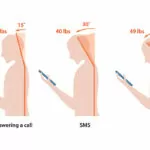
Too often, we spend our time staring at a computer screen, hunched over our desks, or looking down at our phones. These postures create a lot of stress on our spine. The worse your posture is, the more intense your back and neck pain, the harder it is to breathe, and the worse your mood becomes.
Fortunately, Peak Ortho can help ease some of these stressors. Specialized hands-on techniques and targeted exercises can help restore mobility and strength in your spine and improve your posture.
Our dedicated physical therapists can teach you how to correct your posture and bring you relief before it becomes a significant problem! Call today to make an appointment.

Speed Up Your Recovery With Our Additional Services
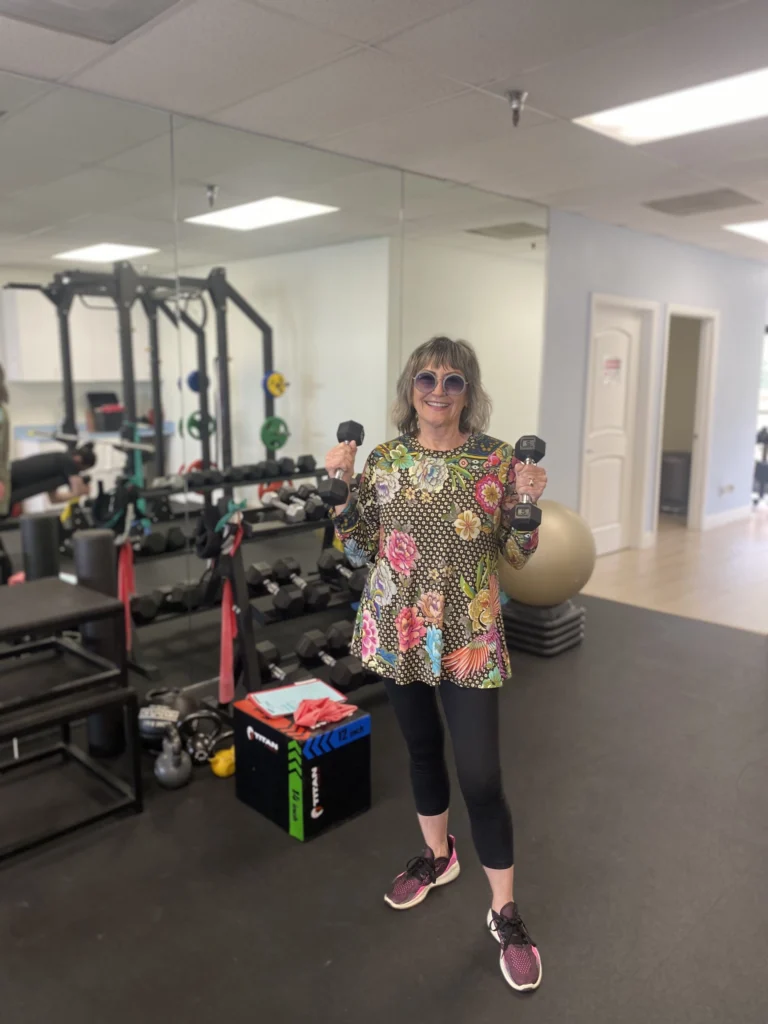
- Peak Fitness (gym membership that includes fitness assessment, custom workout program and supervision)
- Medical Massage (massage with special attention to medical conditions or injuries)
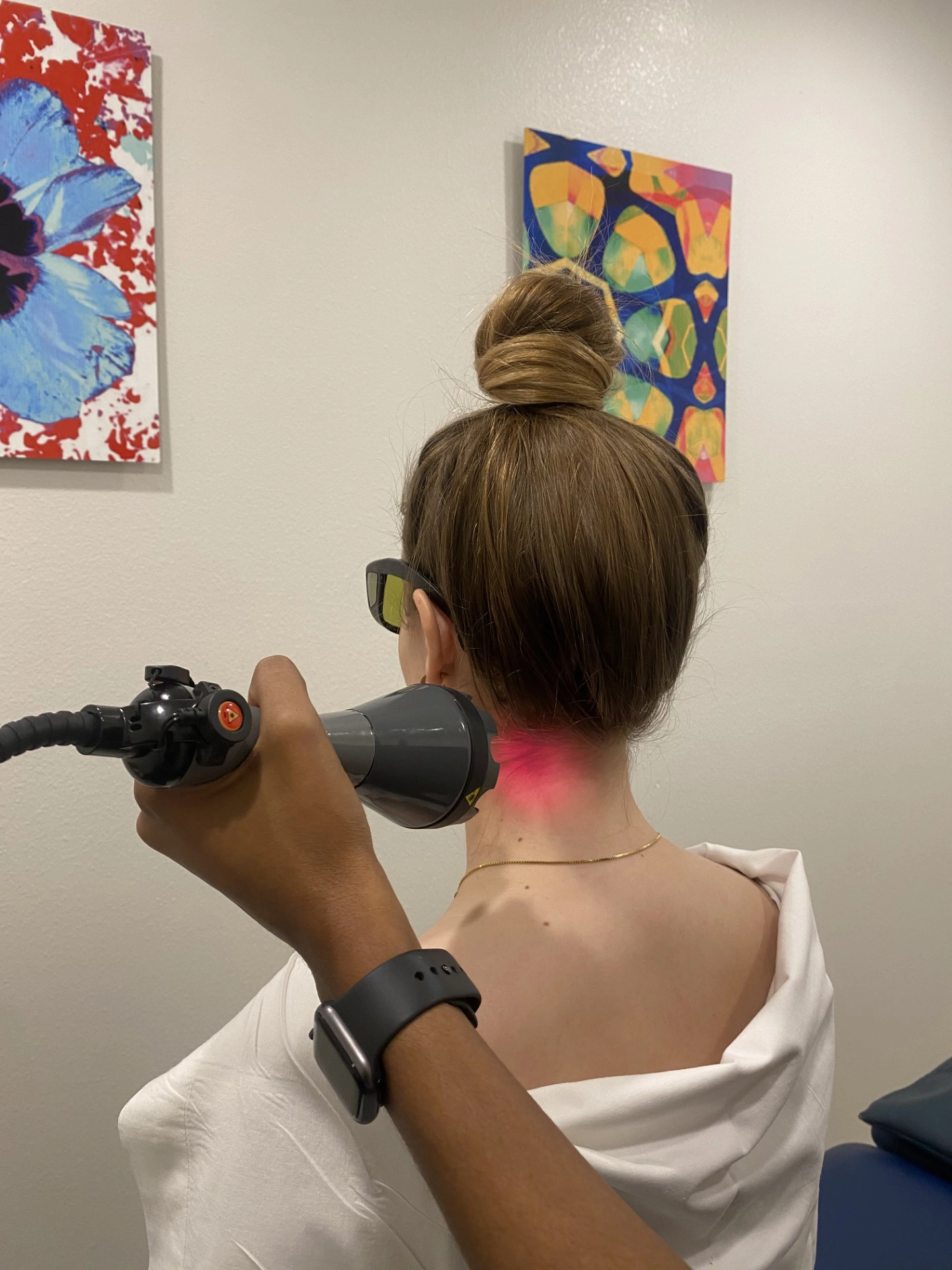
- Deep Tissue Laser Therapy (Lightforce Class IV Laser for reducing pain and speeding up healing)
- Pain Management and Home Exercise Products
What Exactly Is Good Posture?
When people think of posture, they usually imagine someone sitting tall or perhaps slumped. Or they imagine someone standing tall at attention (like in the military). Posture is the position(s) of a person’s body in space. This includes how we move, like our lifting postures or reaching postures.
When the spine is in its natural position, the vertebrae stack up over one another. This is what people call “good posture” (also referred to as a neutral spine). This neutral spine posture allows the body to absorb and distribute stresses from everyday activities such as sitting, standing, walking or more intense activities such as running and jumping.
Our spine is designed to move, which means our posture should also move. The spine does not like to remain in any one position for extended times. Our therapists can help teach you to find your neutral spine posture to counteract the slouching to alleviate your pain and improve your overall health!

What You Can Do To Improve Your Posture
Prolonged slumping while standing or sitting can cause your back, hip/pelvis, and abdominal muscles to become strained and painful. Poor postural habits also impact your overall health by reducing your cardiovascular function, inhibiting your breathing, impacting your balance and gait, and harming your overall mood.
Our highly trained therapists can educate you about your posture’s impact on your body and teach you simple skills to find and maintain a neutral spine. For example, when you’re standing, imagine your breast bone is lifted towards the sky. This will naturally cause your spine to straighten out — lifting you up — keeping your hips, spine, shoulders, and neck aligned.
Prolonged sitting is the position that puts significant pressure on the lower back. It is essential to break up your sitting time throughout the day and take frequent breaks. Schedule standing or walking activities at various times throughout the day to ensure you limit your sitting to about 45-60 minutes at a time.
How Can Physical Therapy Help My Posture?
Physical therapy is the right solution to improving your posture and spinal health. Our physical therapists are experts in evaluating posture and movement. By pinpointing the source of your aches and pains, we can develop a plan for you that will return you to an ideal posture and quickly relieve your pain.
It is normal for people to lose a sense of how their postural muscles work and contribute to the health of their spine. These muscles become weak and uncoordinated with prolonged sitting, before/after pregnancy, and after surgeries or injuries.
Strength training exercises have been shown to help improve our overall posture. It is vital to make sure your core muscles (i.e., hip/pelvis, back, and abdominal muscles) are strong and integral to practicing proper posture.
Your therapist will teach you strategies like:
- Stand tall whenever you are standing or walking.
- Use support when you sit to keep your posture correct.
- Maintain a straight spine when you lift heavy objects.
We can help you mobilize your spine and strengthen the surrounding muscles to alleviate the pain associated with your poor postural habits.

Go to the Pain, Not Through the Pain
The days of “no pain, no gain” are hopefully in the past. The idea of emphasizing pushing through discomfort to achieve results is not an effective solution for most people dealing with a painful condition, injury, or chronic condition. In fact, recent research suggests that a more holistic approach is effective and, indeed, safer for patients.
Pain is our body’s way of letting us know that something is happening in the body. When a nerve ending is triggered, an impulse travels to the brain, alerting us that something is happening. It is a warning sign or an alarm. How this impulse is interpreted varies from person to person and is influenced by a multitude of factors.
Aggressively pushing through pain can worsen the underlying issues and potentially result in long-term damage. The key is getting help from people who work with painful conditions every day, like our therapists at Peak Ortho!
How Physical Therapy Can Help You Find Relief
In cases of musculoskeletal disorders and injuries, applying excessive stress on already agitated tissues can prolong the healing process and even cause further injury. In comparison, going to the pain but not through it means cautiously approaching the edge of discomfort without crossing it, which can help your body progress without delaying your recovery.
Our objective is to work within a “therapeutic window”: a range of activities that stimulates the body’s natural healing mechanisms without triggering negative responses.
At Peak Ortho, we educate our patients about pain to help them understand their conditions better and actively participate in treatment. Our therapist can help you learn “pacing,” where activities are broken down into manageable parts, helping you to avoid extreme ups and downs of feeling good one day and an increase in pain and inactivity the next.
By respecting the body’s pain signals and working within a therapeutic window, our approach aims to achieve long-term functional gains without the risks associated with pushing through pain.
Improve Your Posture With Peak Ortho Today!
Get back to your optimum health by consulting with a licensed physical therapist. We’ll help you achieve the strong spine health you need. Contact our office today to get started on the path toward better posture and decreased pain!
Meet Our Team
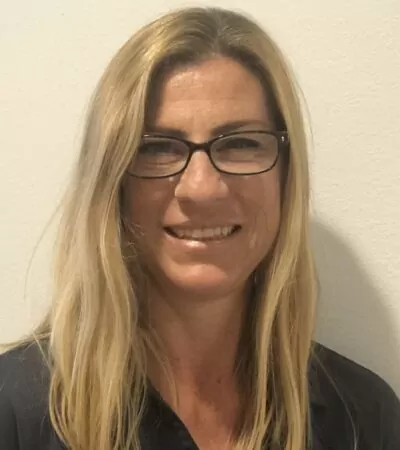

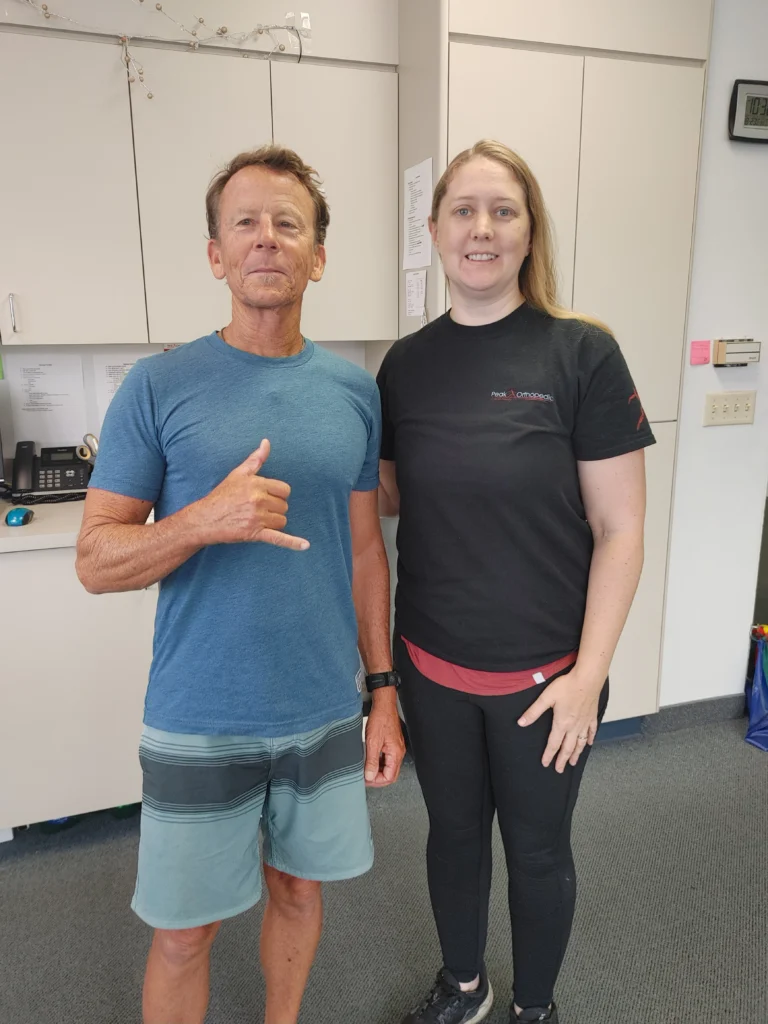
Melinda Turner, DPT
We are thrilled to shine a spotlight on one of our exceptional team members, Melinda Turner, DPT, who has been a vital part of Peak Orthopedic Physical Therapy for over 16 years. Melinda began with us as a physical therapy aide, and through her dedication and passion for helping others, she advanced her career by earning her Physical Therapist Assistant (PTA) license and later her Doctorate in Physical Therapy (DPT).
Melinda is known for her expertise in advanced manual therapy techniques and her holistic approach to patient care. She believes in treating the whole person, not just the area of discomfort. Whether it’s back pain linked to hip problems or neck pain due to poor posture or another underlying issue, Melinda’s comprehensive perspective ensures her patients receive personalized, thoughtful care. She is dedicated to improving her patients’ overall well-being, ensuring they experience positive outcomes under her care.
We are incredibly proud to have Melinda as part of our team and grateful for the significant impact she continues to make on our patients’ lives!

One-Pot Creamy Tuscan Pasta
Ingredients:
- 2 tablespoons unsalted butter
- 1 shallot, minced
- 4 garlic cloves, minced
- 2 tablespoons tomato paste
- 1 teaspoon dried oregano
- 1 teaspoon paprika
- 2 cups chicken broth
- 1 cup whole milk, or more as needed
- 8 oz penne pasta
- 1 cup cherry tomatoes, halved
- ½ cup sun-dried tomatoes in olive oil, julienne-style, drained
- kosher salt, to taste
- freshly ground black pepper, to taste
- 1 cup fresh baby spinach
- ½ cup grated parmesan cheese
- 2 tablespoons chopped fresh Italian parsley
Directions:
- In a large skillet, add the butter, shallot, and garlic; cook, stirring frequently, for 3-4 minutes, until softened.
- Add the tomato paste, oregano, and paprika. Cook and stir for 2 minutes, or until the tomato paste starts to darken.
- Add the chicken broth, milk, pasta, cherry tomatoes, and sun-dried tomatoes; season with salt and pepper.
- Bring to a boil, then reduce heat and simmer, stirring occasionally, for 18-20 minutes, until the pasta is tender yet firm to the bite.
- Remove from heat and stir in the spinach and Parmesan cheese until the spinach is wilted and the cheese is incorporated.
- If the mixture is too thick, add more milk as needed until the desired consistency is reached.
- Garnish with parsley and serve hot.