Plantar Fasciitis: The Most Common Cause of Heel Pain Revealed!
You wake up and crawl out of bed–only to feel a sharp, stabbing pain shoot up from your heel. No, you didn’t step on a tack. It’s likely plantar fasciitis, one of the most common causes of heel pain worldwide.
Plantar fasciitis is a painful condition that affects your plantar fascia, a band of tissue running along the bottom of your foot from your heel to your toes. When the plantar fascia becomes injured, usually due to overuse, it leads to foot discomfort (which then makes it harder for you to get around).
While plantar fasciitis is painful, it’s also commonly treated with physical therapy. The team at Peak Orthopedic will work closely with you to rehabilitate your injury, providing immediate pain relief and helping you uncover what caused your plantar fasciitis in the first place.
Today, we want to give you an overview of plantar fasciitis so you know what you’re dealing with. Already struggling with foot or heel pain? Call us to schedule an appointment so we can start helping you find relief!
How Do I Know It’s Plantar Fasciitis?
Many injuries can cause foot pain, from ankle sprains to tiny stress fractures. That’s why it’s important to pay attention to the location and sensation of your foot pain, as well as any mobility issues.
Here are some of the specific symptoms that can indicate plantar fasciitis:
- Sharp, stabbing pain in the inside of the heel or along the bottom of the foot
- Pain that worsens when you begin activity–for example, you might experience pain with your first few steps in the morning or after spending the last few hours watching a movie
- Tenderness when pressing on your heel or the arch of your foot
- Foot stiffness that makes it difficult to use your foot for activities like walking or running
- A sense of weakness in your calf muscles
When you visit Peak Orthopedic for your initial assessment, make sure to carefully lay out the times you do and don’t experience pain (for example, many people with plantar fasciitis notice pain first thing in the morning that fades as the day progresses). That information, along with a detailed explanation of your pain’s location, can help us correctly identify your pain as plantar fasciitis.
Patient Success
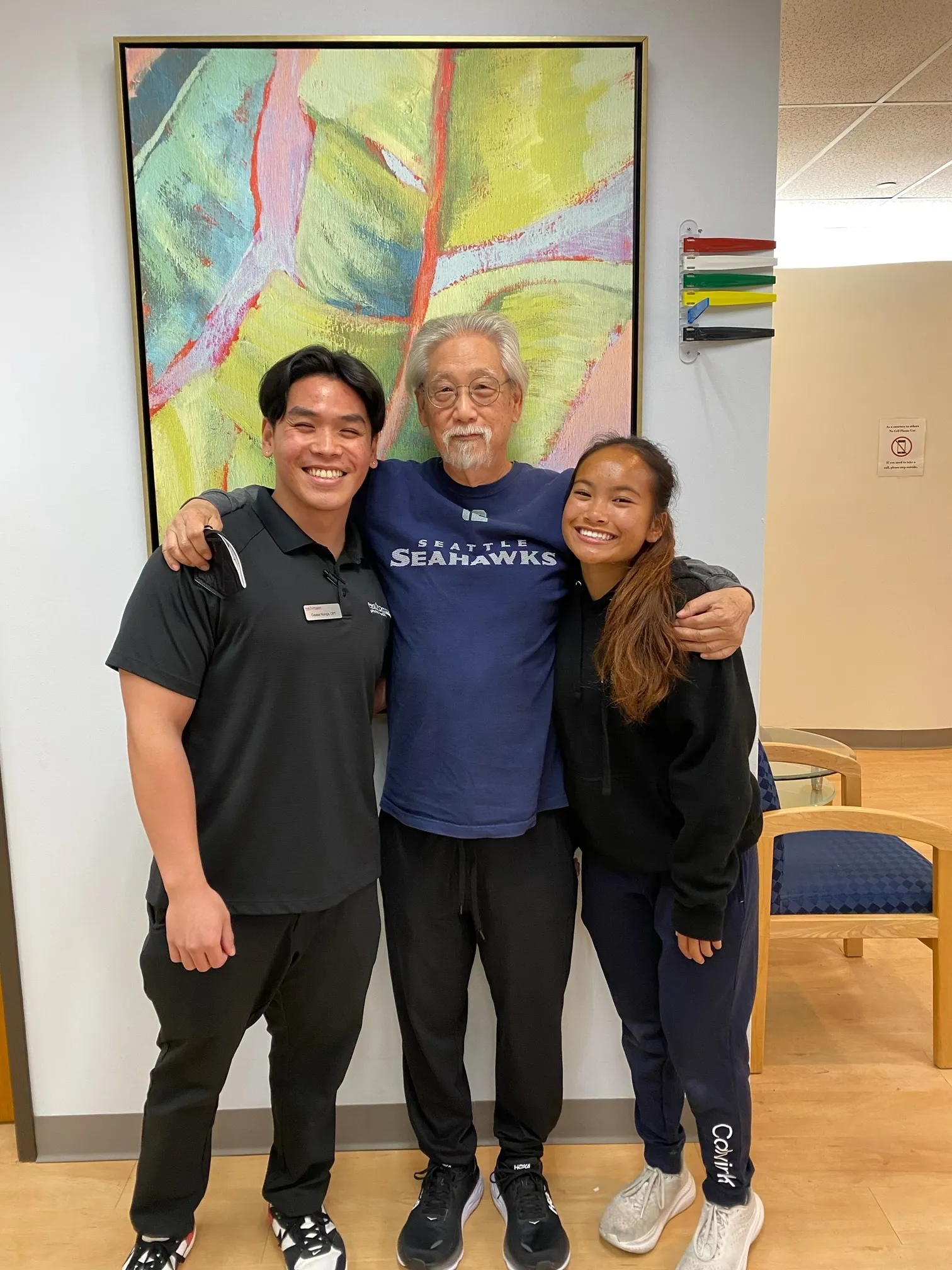
“In December of 2024, I was experiencing severe arthritic pain in my left foot. My doctor prescribed physical therapy at Peak Orthopedic PT. Ceasar and Koa helped alleviate my discomfort and the PT assistants were very helpful and friendly which made the exercises tolerable! After 3 months of PT, I am happy to say the pain in my left foot is almost non-existent. The entire staff, including the front desk, were very professional, patient and most helpful. Thank you!!” – Alan K.
Physical Therapy: Frontline Treatment for Plantar Fasciitis
Our team’s knowledge of your body’s musculoskeletal systems means we can help you treat plantar fasciitis without invasive treatment methods (like surgery). While rehabilitation might take some time (usually a few weeks to a few months), you can resolve your pain through targeted foot exercises.
Here’s what you can expect when you visit us:
- A thorough evaluation: Besides reviewing your symptoms, we’ll conduct a comprehensive gait assessment and other movement screens to help us identify any biomechanical factors that might contribute to your plantar fasciitis.
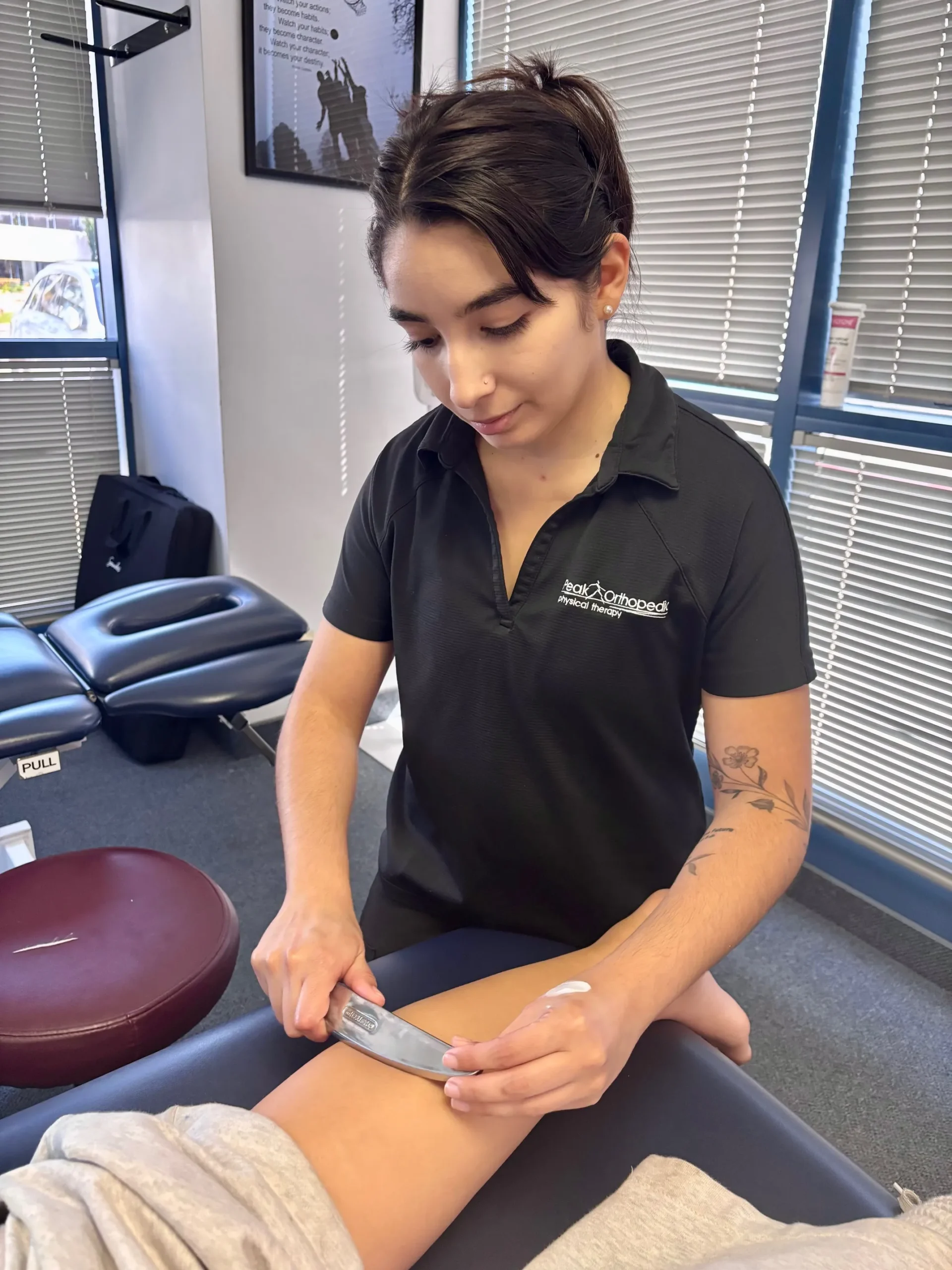
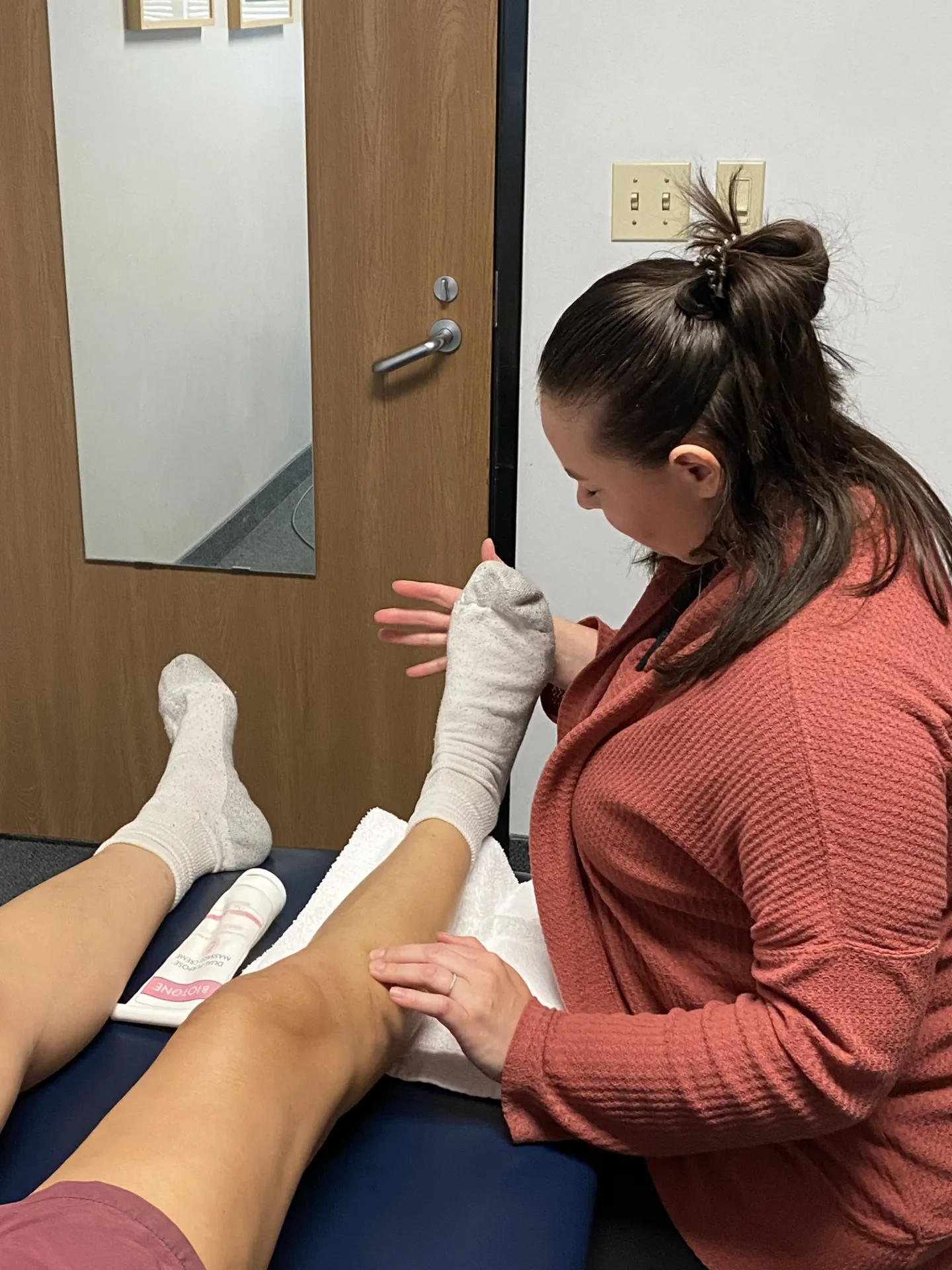
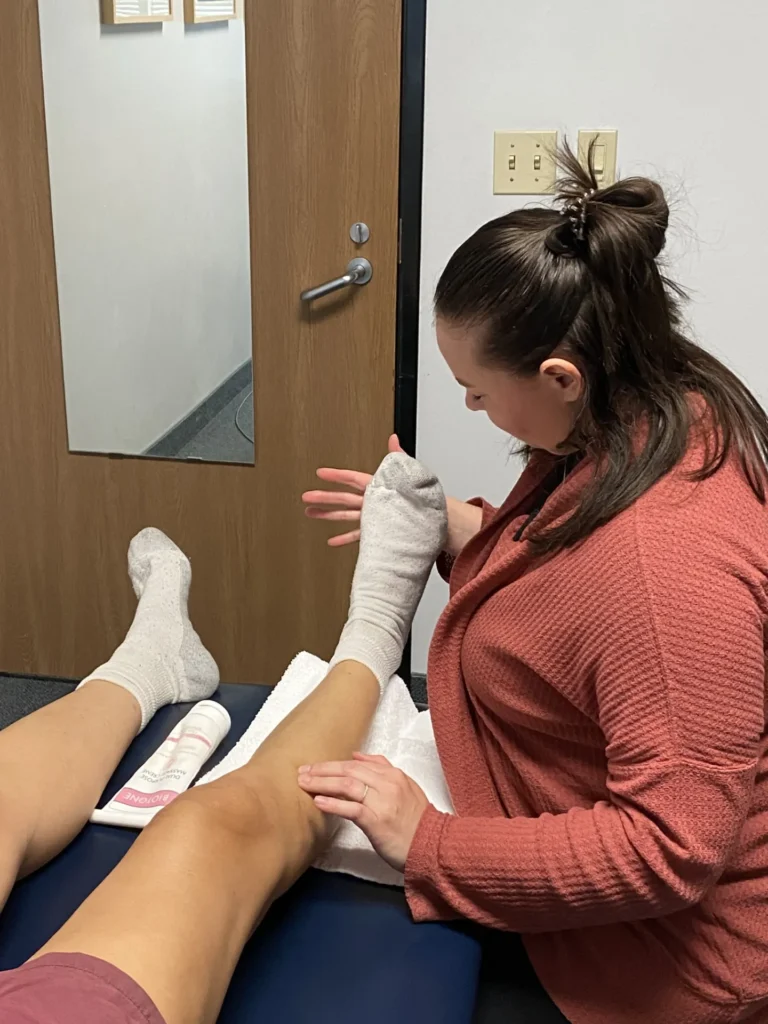
- Pain management: We’ll help manage your acute pain through hands-on manual therapy techniques, foot taping, and other drug-free approaches.
- Therapeutic exercise: Stretching and strengthening exercises will help resolve your current bout of plantar fasciitis. We’ll provide you with a tailored exercise program, including simple exercises you can do at home to help maximize your recovery.
- Prevention tips: Plantar fasciitis is usually an overuse injury, meaning it develops gradually over time. A frequent cause of plantar fasciitis is starting an intense new workout program. Faulty gait mechanics and other lifestyle factors can contribute to it as well. We’ll provide you with customized advice and strategies for avoiding future incidents of plantar fasciitis.
Speed Up Your Recovery With Our Additional Services
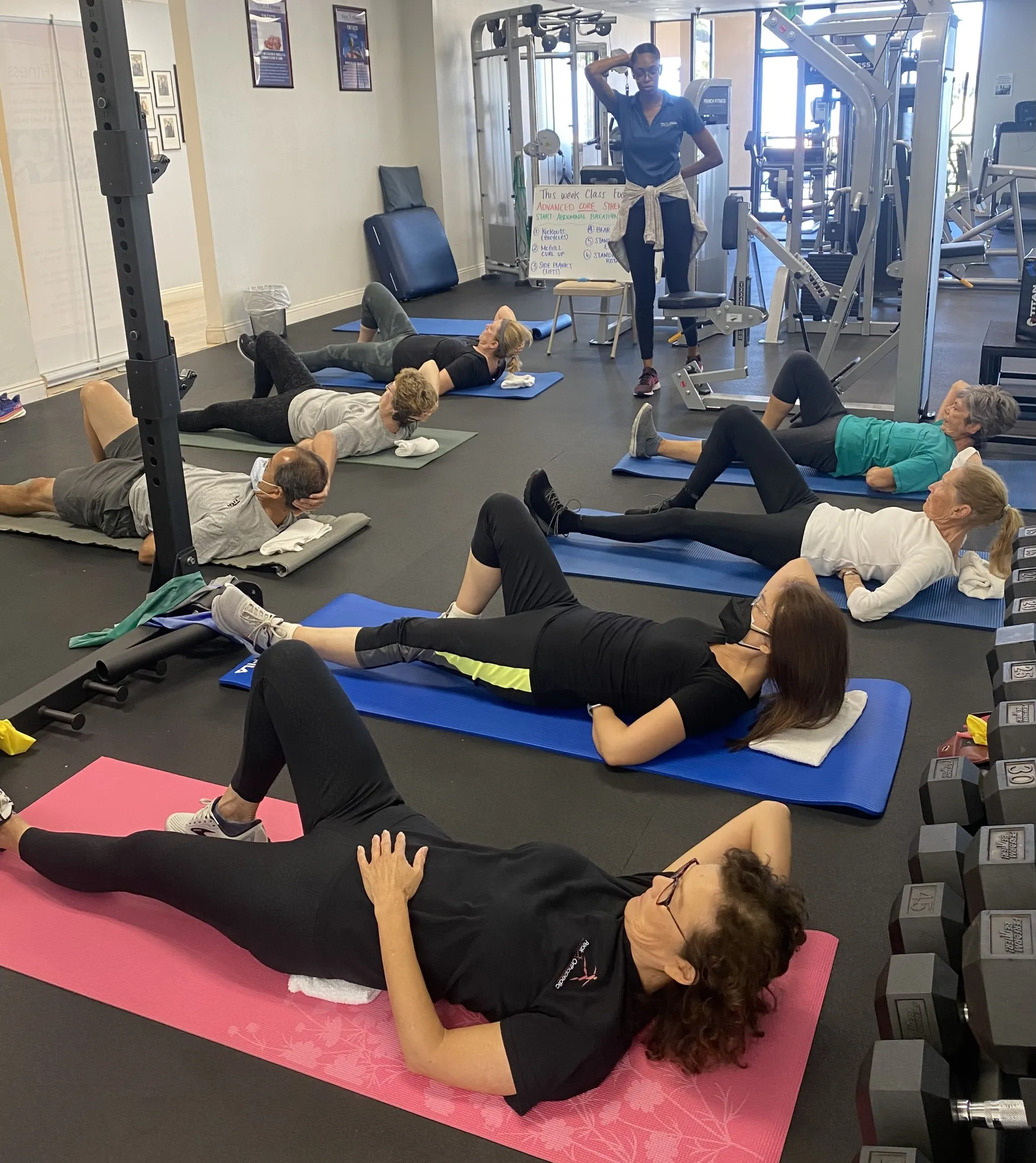
- Peak Fitness (gym membership that includes fitness assessment, custom workout program and supervision)
- Medical Massage (massage with special attention to medical conditions or injuries)
- Deep Tissue Laser Therapy (Lightforce Class IV Laser for reducing pain and speeding up healing)
- Pain Management and Home Exercise Products
Got Foot Pain? Call Us Today!
If you’re experiencing foot discomfort or immobility, your best bet is to call the team at Peak Orthopedic and schedule an initial consultation. Be prepared to discuss your symptoms in detail–and to receive a customized treatment program that will have you feeling footloose and fancy-free in no time!
Join Peak Fitness
Begin your transformative journey towards optimal wellness with Peak Health and Fitness, our personalized exercise program designed to meet your specific goals. Whether it’s weight loss, strength-building, balance or improved cardiovascular health, our team is here for you every step of the way with a program that gets the results you are looking for!
Call our office or ask your physical therapist for more information. Memberships available in our Torrance and Rancho Palos Verdes locations.
3 Tips for Starting a New Workout Routine Without Injury
As physical therapists, we’re fans of exercise. The CDC recommends that adults get 150 minutes of moderate physical activity a week, and regular exercise will boost your mental and physical health.
That said, you can’t immediately jump from a completely sedentary lifestyle to intense, hour-long daily workouts. For one, you’re likely to burn out and quit regular exercise altogether. But you also run the risk of injuring yourself.
Fortunately, there are a few strategies that can help you safely start up a physically active lifestyle:
- Talk to your physical therapist: Ever notice how workout videos tell you to consult with a medical professional first? If you’re new to exercising, this is crucial advice! Before you dive into a new routine, schedule an appointment with our PTs. We’ll perform a comprehensive assessment and help guide you toward the right exercises for your needs.
- Start slowly and gradually build the intensity: If you’ve ever talked to marathon runners, they’ll tell you they spend months training. No one jumps off the couch and immediately runs 26.2 miles! Follow their lead and start with low-intensity workouts. Over time, you can add more time or more challenging exercises to your routine.
- Warm up and cool down: Make sure you begin every workout session with ten minutes of mobility exercises or light cardio and end each session with gentle stretches. Warm-ups prepare your body for movement, and cool-downs help bring your breathing and heart rate down to non-exercise levels.
At Peak Orthopedic, we love helping our patients get active safely and at their own pace. Call us today for personalized advice about starting your new workout routine.
Staff Spotlight: Michael McNab, DPT
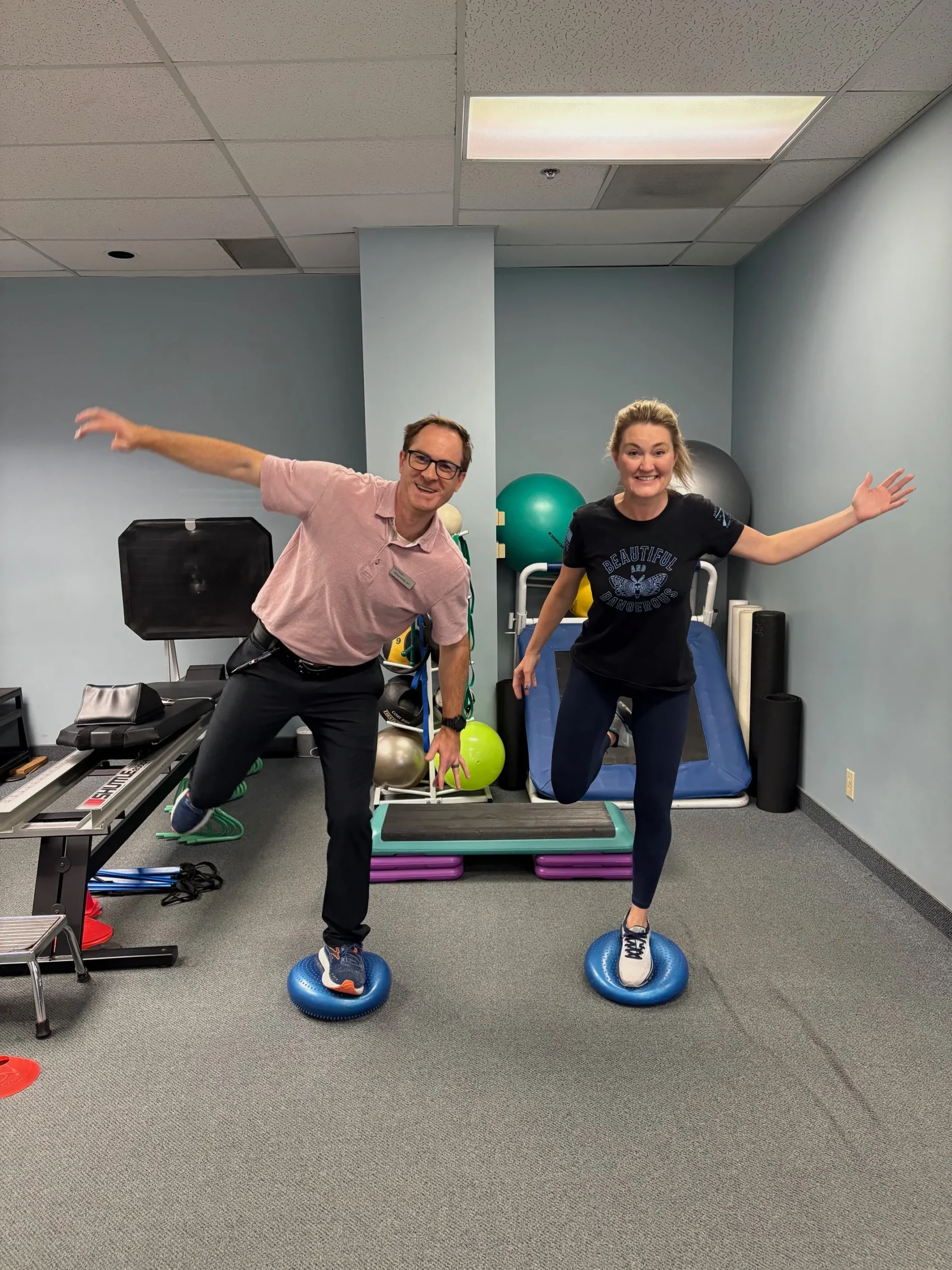
Meet Michael McNab, one of our dedicated physical therapists at Peak Orthopedic Physical Therapy, Redondo Beach! Michael’s passion for helping others recover and regain their strength stems from personal experience. After sustaining back-to-back soccer injuries during his senior year at Palos Verdes High School, he discovered the transformative power of physical therapy firsthand.
Michael pursued his interest academically at Azusa Pacific University, earning a degree in Applied Health with an emphasis in Physical Therapy. Before continuing to graduate school, he served as an Emergency Medical Technician in LA County, gaining valuable experience in fast-paced, patient-focused care. He earned his Doctorate in Physical Therapy from the University of St. Augustine in San Diego in December 2021.
Michael brings a well-rounded and compassionate approach to his care. He has a special interest in orthopedic rehabilitation and post-surgical recovery and is skilled in functional movement training, manual therapy techniques, and personalized exercise programs. His calm demeanor, strong communication skills, and attention to detail help patients feel supported and confident as they work toward their goals.
Outside of the clinic, you can find Michael running with his wife, hitting the slopes, playing soccer, or spending quality time with family and friends.
Michael’s kindness, expertise, and positive energy brighten our clinic, and we’re proud to have him as part of the Peak Orthopedic family.

Recipe of the Month: Smashed Chickpea Salad Sandwich
Ingredients:
- 1 can chickpeas, rinsed and drained
- 1/4 c chopped Italian parsley
- 1/4 c chopped dill
- 1/2 c chopped scallions
- 2 tbsp mustard
- 2–3 tbsp mayonnaise
- Salt and pepper to taste
- Optional: 1 tbsp capers
- 4 slices whole-grain bread or everything bagels, toasted
- 1 tbsp mustard
- 2 large lettuce leaves
- 1 Turkish cucumber, sliced
- 1 carrot, thinly sliced
- 4 radishes, thinly sliced
- 1 large avocado sliced
- big handful of microgreens or sprouts
Directions:
-
Make the chickpea salad, placing all ingredients in a medium bowl, mix and smash with a fork until well combined. Taste and adjust salt and pepper to your liking. Assemble the sandwiches.
-
Spread a little whole grain mustard on the bread. Top with lettuce and a generous amount of the chickpea salad. Layer sliced cucumber, carrots, radishes and avocado.
-
Top with a mound of sprouts and bread. Cut in half and enjoy!
Follow us on social media!
Stay connected and keep your health on track! Follow Peak Orthopedic Physical Therapy on social media for expert tips, updates, and more. Don’t miss out – join our community today!