Treating Shoulder, Neck, and Back Pain With Physical Therapy
Has an injury in your shoulder, neck, or back prevented you from living your life to the fullest? Is pain holding you back from completing your daily routine?
The skilled physical therapists at Peak Ortho can help you recover and return to the lifestyle you love. Our physical therapists have extensive experience treating shoulder, neck, and back pain and understand how these issues are often connected.
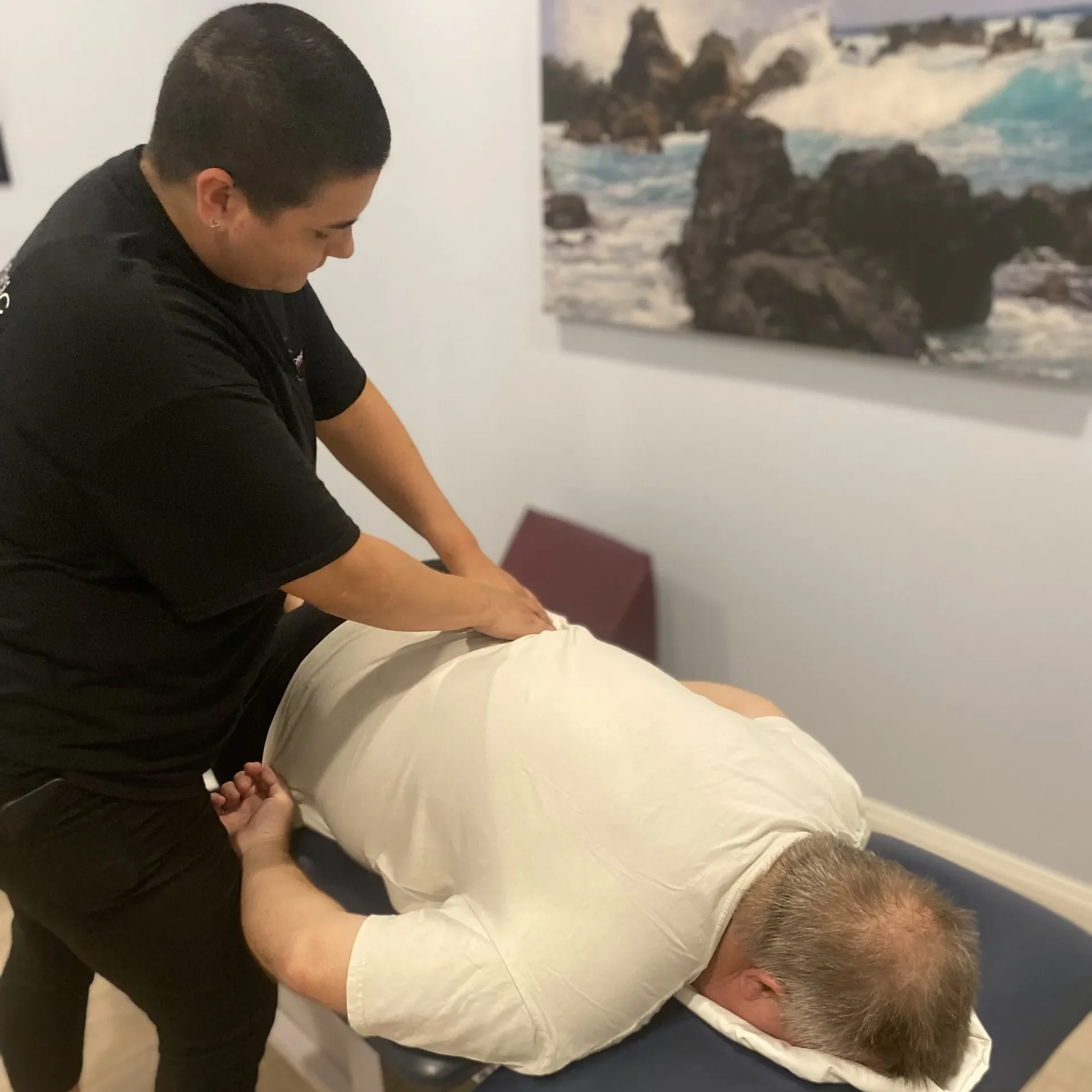
When you visit our clinic, you’ll gain access to expert knowledge and specialty treatments, including dry needling, massage therapy, myofascial release, and cupping. Are you ready to unlock the relief you’ve been searching for? Contact Peak Ortho today to schedule an appointment with one of our licensed therapists.
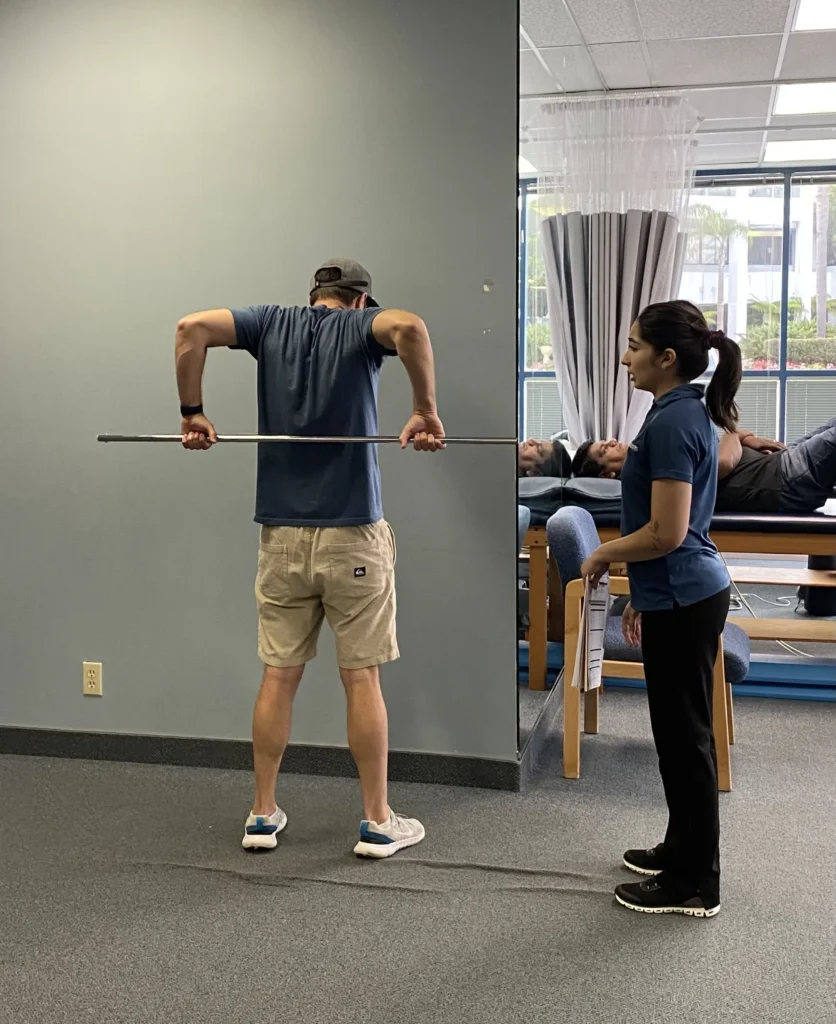
Speed Up Your Recovery With Our Additional Services
- Peak Fitness (gym membership that includes fitness assessment, custom workout program and supervision)
- Medical Massage (massage with special attention to medical conditions or injuries)
- Deep Tissue Laser Therapy (Lightforce Class IV Laser for reducing pain and speeding up healing)
- Pain Management and Home Exercise Products
What is causing my shoulder, neck, or back pain?
Are you unsure how your pain started? The therapists at Peak Ortho can pinpoint the source of your pain and make individualized recommendations for your recovery. In the meantime, check out the possible causes of your pain listed below.
Back pain
Low-back pain is one of the most common and costly musculoskeletal problems worldwide. Studies indicate around 80% of the population will experience low-back pain. There are three main types of back pain:
- Acute Back Pain: The most common type of back pain. This is a temporary pain that goes away in less than three months.
- Recurrent Back Pain: When acute back pain goes away for a while but returns on a regular basis, it is known as recurrent back pain.
- Chronic Back Pain: If back pain lasts longer than three months without subsiding, it is classified as chronic.
Acute back pain is typically not serious and usually goes away independently. However, recurring and chronic back pain can be signs of more serious health problems. The cause of back pain is not always easily identifiable. However, conditions commonly linked to low back pain include muscle or ligament strain, bulging or ruptured discs, arthritis, and osteoporosis. In other cases, back pain can develop as a result of an injury, overuse, or a sedentary lifestyle.
Shoulder pain
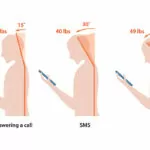
Poor posture and improper positioning of the shoulders can make your shoulder blade (scapula) vulnerable to pain and rotator cuff injuries. When left untreated, a rotator cuff tear can cause severe pain and decrease the ability to use the arm. Pain from an acute injury can be sudden and intense, making it difficult for you to move your shoulder at all. Pain due to wear and tear or degenerative changes are often more achy and sore. The most common conditions affecting the shoulder are:
- Strains: A strain occurs when a muscle or tendon is stretched too far or torn.
- Tendonopathy: Tendonopathy occurs when the joint is irritated or overused.
- Cartilage injury: An injury to the cartilage will typically lead to a limited range of motion and may lead to decreased strength in the affected shoulder.
- Arthritis: Osteoarthritis and rheumatoid arthritis are the two most common types of arthritis. In both cases, pain and loss of motion are typical.
- Frozen shoulder: Medically referred to as adhesive capsulitis, a frozen shoulder causes significant motion deficits and pain.
Neck pain
The most common causes of neck pain are typically due to a soft tissue sprain/strain or changes to the joint itself. Most of the time, neck pain starts as a seemingly small concern. A crick in your neck that begins to show more frequently lasts longer. Before you know it, you are dealing with neck pain daily. For others, changes to the disc (i.e., a specialized tissue that sits between vertebrae throughout our spine) are the source of the pain. Bulging and herniated discs are notoriously painful and common for people that experience nerve pain. The disc degeneration can also lead to pain and difficulty moving the neck.
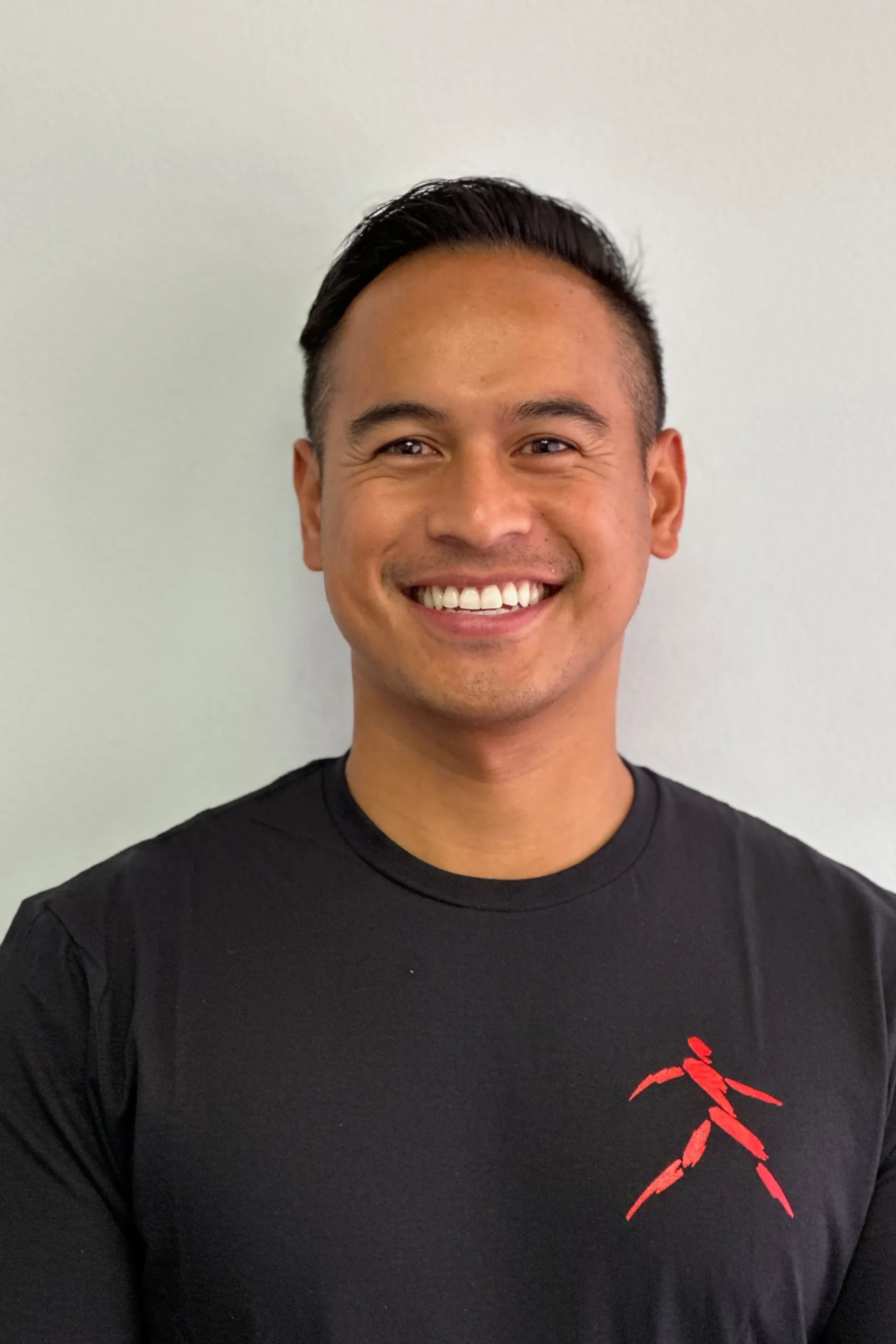
Staff Spotlight: Kyle Cabahug, DPT
We are thrilled to welcome Kyle Cabahug, our new Physical Therapist at the Torrance office! A South Bay native, Kyle’s path to physical therapy began during an internship at Kaiser Permanente, where he gained hands-on experience in the Physical Medicine Department and discovered his passion for helping patients recover and thrive. He holds a Bachelor’s degree in Psychology from the University of California, Riverside and a Doctorate of Physical Therapy from Touro University Nevada.
Kyle brings a well-rounded background in treating orthopedic, sports, neurologic, geriatric, and amputee populations. He’s worked with a diverse range of patients, including athletes with spinal cord injuries, high school athletes, and Special Olympics participants. Kyle’s enthusiasm and expertise have already made a positive impression on our patients, who appreciate his dedication and warmth. Outside the clinic, Kyle enjoys attending music festivals, relaxing on the beach, playing pickleball, and spending quality time with friends and family.
How will my pain be treated at Peak Ortho?
Physical therapy is an excellent resource for treating shoulder, neck, and back pain because it addresses the cause of the pain rather than simply attempting to hide the symptoms. Working with a physical therapist can help you experience an improved range of motion, restore muscle strength, and reduce tension in your muscles through targeted manual therapies. Physical therapy remains the first-line treatment and should be routinely used to get impactful results. Physical therapy treatments that are most effective for back, shoulder, and neck pain include:
- Dry needling
- Massage therapy
- Myofascial release
- Cupping
Reach out to one of our physical therapists for information and support in overcoming your pain, and finally, find long-term relief.
Patient Success
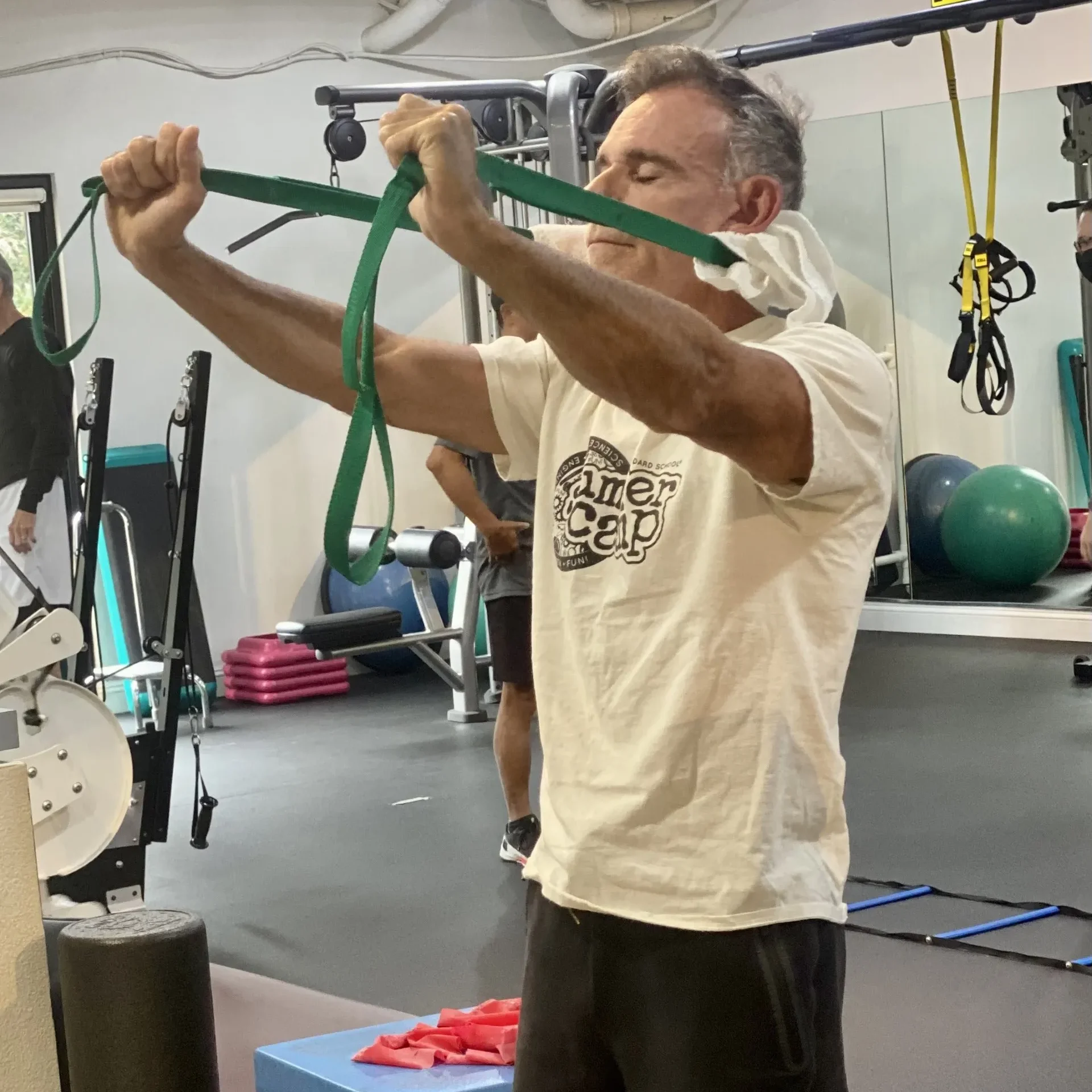
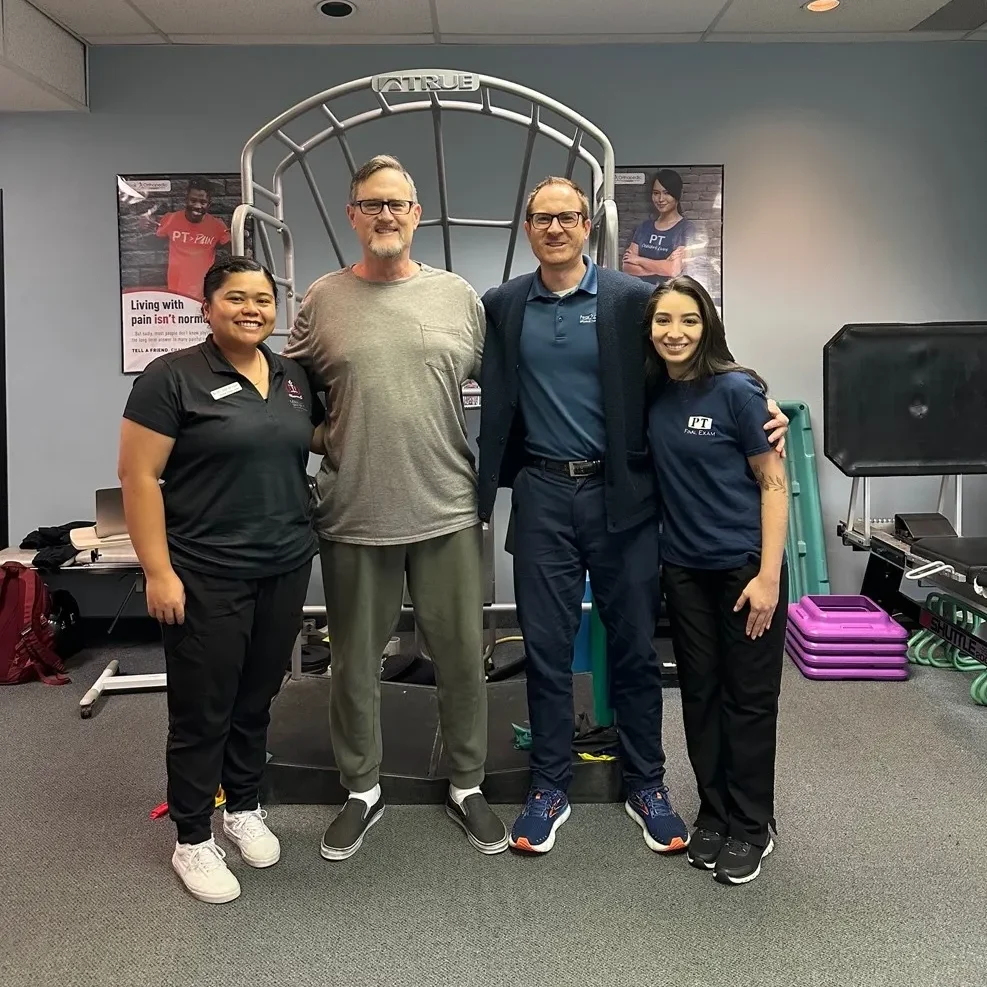
“I had a total shoulder replacement, right side, exactly 4 months ago. When I started my PT at Peak Orthopedic 3 weeks after surgery, I could barely move my arm. I worked with my PT team twice a week on exercises and stretching to regain my range of motion and strength. Today I have 99% of my range of motion and my strength is returning. The team here is amazing, friendly, caring and professional. I give them all praise and gratitude.”
– John G.
Ready to live pain-free again? Contact us today!
At Peak Ortho, our team has the resources to identify why your pain may be happening and treat your symptoms, once and for all. Why would you wait to gain access to a personalized treatment plan that combines the benefits of physical therapy with specialized treatments? Contact Peak Ortho today to request an appointment and begin your recovery journey.