Why That “Little” Back Ache Deserves Your Attention
We’ve all experienced it at some point. You bend down to tie your shoe and notice a slight twinge in your lower back. Or maybe your back aches a little after you spend the afternoon doing yard work.
When pain is mild, it’s easy to ignore it. After all, it’s not stopping you from getting through your day. Unfortunately, though, this slight discomfort is often how more significant back problems begin.
At Peak Orthopedic Physical Therapy, we see it all the time: a patient with persistent back pain reports that it started as a minor ache that gradually worsened until they had to seek treatment. And while we can certainly help them find relief, it’s much easier to resolve back pain before it gets to that point.

Understanding How Minor Back Pain Develops
Back pain never appears without reason, even if it might seem that way if you can’t point to a specific injury. That’s because many cases of back pain develop due to small but repeated stress on your back, spinal structures, and even other body parts over a long period of time.
For example, someone who spends most of the day sitting may develop hip stiffness, and the muscles that support the spine may become unconditioned for physical activities. If you then transition straight from hours of sitting into a strenuous activity, your back muscles may simply become fatigued more quickly, placing additional stress on the lower back during everyday activities.
For a while, their body compensates for these stresses, so they might not notice anything’s wrong. Eventually, however, those compensations become harder to maintain.
How Minor Pain Can Become a Bigger Problem
Many of our patients see pain as the first sign that something is wrong. However, it’s often the final step in a process that has been developing for some time. It works like this:
- Mild pain causes your nervous system to temporarily alter your movement patterns to protect the area.
- Those altered movement patterns increase strain on nearby muscles and joints, leading to more pain.
- As the pain worsens, you reduce your activity level, which in turn causes stiffness and weakness.
- This weakness and stiffness place additional stress on the spine.
- Pain worsens further, often to the point that daily tasks become more uncomfortable.
Often, people don’t reach out to Peak Orthopedic Physical Therapy until they reach that last point. But if you begin care earlier on in the cycle–such as when you first start to notice occasional pain–you can often stop it before it gains momentum.

Addressing Back Pain Early with Physical Therapy
Our team takes a whole-person approach to managing back pain that starts with identifying the specific factors contributing to your back pain. Often, multiple factors are at play, such as a sudden change in your activity levels, limited variety in movement throughout the workday, or performing a heavy task your body wasn’t fully conditioned for. On their own, they might not be a big issue. But when combined, they start to cause problems.
Once we know the underlying factors contributing to your back pain, we’ll create a personalized care plan that addresses them directly using a range of different treatment techniques, including:
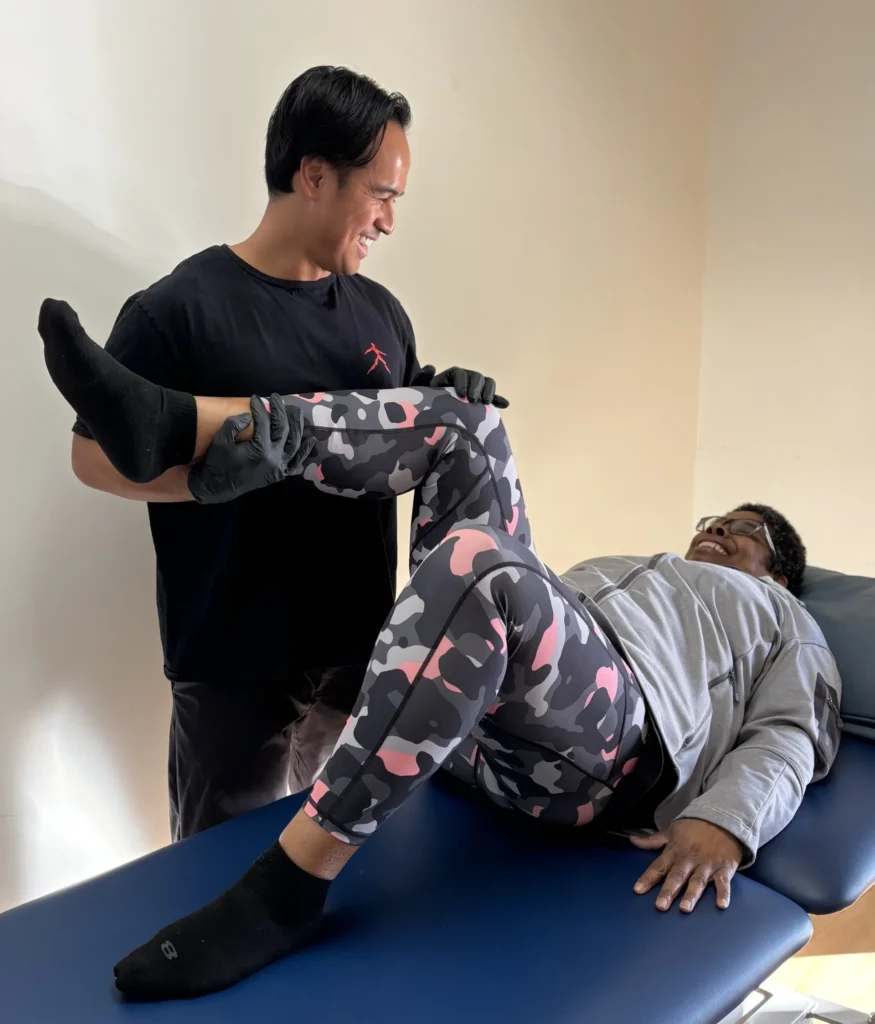
- Hands-on manual therapy techniques that help improve joint mobility, reduce muscle tension, and decrease pain.
- Targeted exercises to improve mobility, build core strength and stability, and strengthen your overall body to improve balance and coordination
- Movement and posture training that helps you identify and address the movement habits that place unnecessary stress on your back, such as sitting at work or lifting heavy objects
- Self-management strategies to help you make informed decisions about activity levels, exercise, and long-term back pain prevention.
Regardless of the details of your care plan, its goal is simple: to help you move with greater confidence and keep small problems from becoming larger ones.
Don’t Wait for Back Pain to Take Control
A mild ache today can become a much bigger obstacle tomorrow. If you’ve noticed recurring back pain or stiffness, now is the time to address it! Early treatment at Peak Orthopedic Physical Therapy can help reduce pain, restore movement, and prevent future limitations.
Schedule an evaluation with us today to learn more about what’s causing your back pain–and what you can do to effectively manage it so you don’t miss out on the things you love the most.
Peak Health & Fitness


Finishing physical therapy is a major milestone—but it’s not the end of your recovery journey. Peak Health & Fitness is designed to help you safely transition from rehab to long-term strength, stability, and confidence.
This medically guided exercise program bridges the gap between physical therapy and independent fitness. Whether you’re recovering from injury, surgery, or managing a chronic condition, we create a personalized plan that builds on the progress you’ve already made.
With expert supervision and a customized approach, you’ll continue improving strength, mobility, and function—while reducing your risk of re-injury. Our goal is to help you maintain your results, stay active, and get back to doing the things you love with confidence.
Ready to Take the Next Step?
Schedule your Peak Health & Fitness evaluation today and let our team design a program tailored to your goals.
Request AppointmentFollow Us on Social Media
Stay connected and keep your health on track! Follow Peak Orthopedic Physical Therapy for expert tips, updates, and more. Don’t miss out—join our community today.

What Our Patients Say
Peak was recommended by Dr. Shrader who performed my total knee replacement surgery. My prior experiences with PT were not positive. However, I have found Peak to be a highly professional, skilled and friendly environment. Alex demonstrates kindness and an empathetic attitude yet is demanding that I achieve my goals. At the beginning, everything was a challenge. Now, 3 weeks in, I can handle 10 minutes on the bike, stand up and down from a chair and do simple normal steps that I previously avoided due to pain. Alex and his team, Maddie and Adam, made each session enjoyable and successful. Peak motivates you to get there! Highly recommend!
Meet Our Team

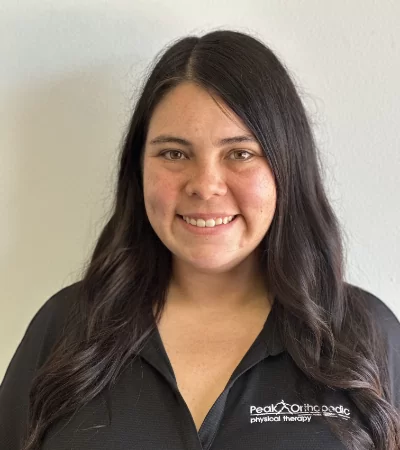
Sylvie Williams
Office Administrator